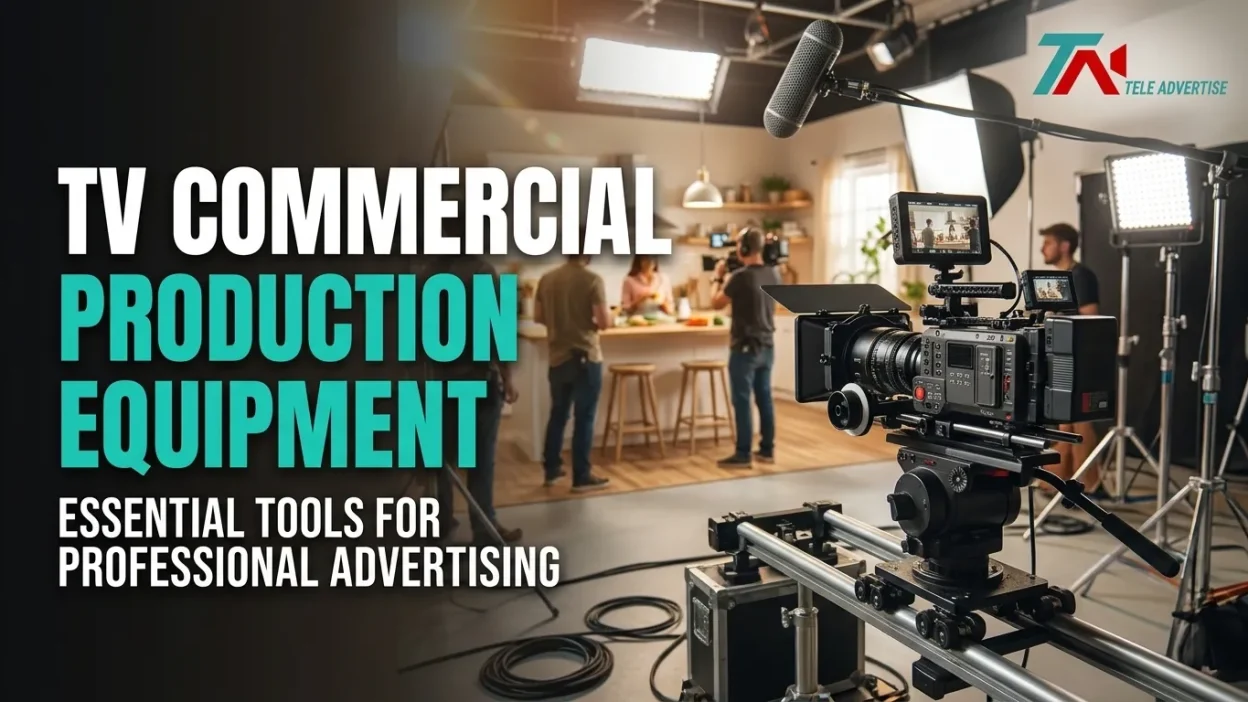
Creating a successful television commercial requires more than an attractive concept and talented production team. It also depends on having the right cameras, lighting systems, audio recording devices, filming accessories, and studio equipment. TV Commercial Production Equipment plays an essential role in producing professional advertisements that capture attention, communicate brand messages, and influence customer decisions. From pre-production planning to final editing, choosing suitable equipment helps businesses and production teams achieve high-quality results while managing their production budgets effectively.
Introduction to TV Commercial Production
Television advertising remains an effective way for businesses to introduce products, promote services, build brand awareness, and connect with potential customers. Although digital marketing platforms have expanded rapidly, television commercials continue to offer valuable opportunities to reach large audiences through engaging visual storytelling. Producing an effective television advertisement requires careful planning, technical knowledge, creative direction, and professional equipment. Every production element contributes to the final result, including camera quality, lighting conditions, sound clarity, and editing techniques. Investing in suitable TV Commercial Production Equipment allows production teams to maintain visual consistency and create advertisements that meet professional broadcasting standards. Whether a company is producing a product advertisement, corporate commercial, lifestyle campaign, or promotional video, selecting the right equipment can significantly influence production quality. Understanding the available tools and their purposes makes it easier to plan a successful commercial production project.
TV Commercial Production Tools
TV commercial production tools include the essential devices and accessories used throughout the advertising production process. These tools support different stages of filmmaking, from recording the first scene to preparing the final commercial for broadcast or online distribution. A professional production setup generally includes cameras, tripods, lenses, lighting equipment, microphones, audio mixers, monitors, stabilizers, and editing systems. Each tool serves a specific purpose. Cameras capture the visual content, tripods provide stability, microphones record dialogue, and lighting systems create the desired atmosphere.
Production teams should select equipment according to the commercial’s concept, shooting environment, and technical requirements. For example, a product advertisement may require macro lenses and controlled studio lighting, while a lifestyle commercial may need portable cameras, wireless microphones, and handheld stabilizers. Choosing appropriate TV Commercial Production Equipment also helps reduce technical problems during filming. When production tools work together efficiently, filmmakers can concentrate on creativity, storytelling, and delivering a consistent brand message.
Professional Video Production Equipment
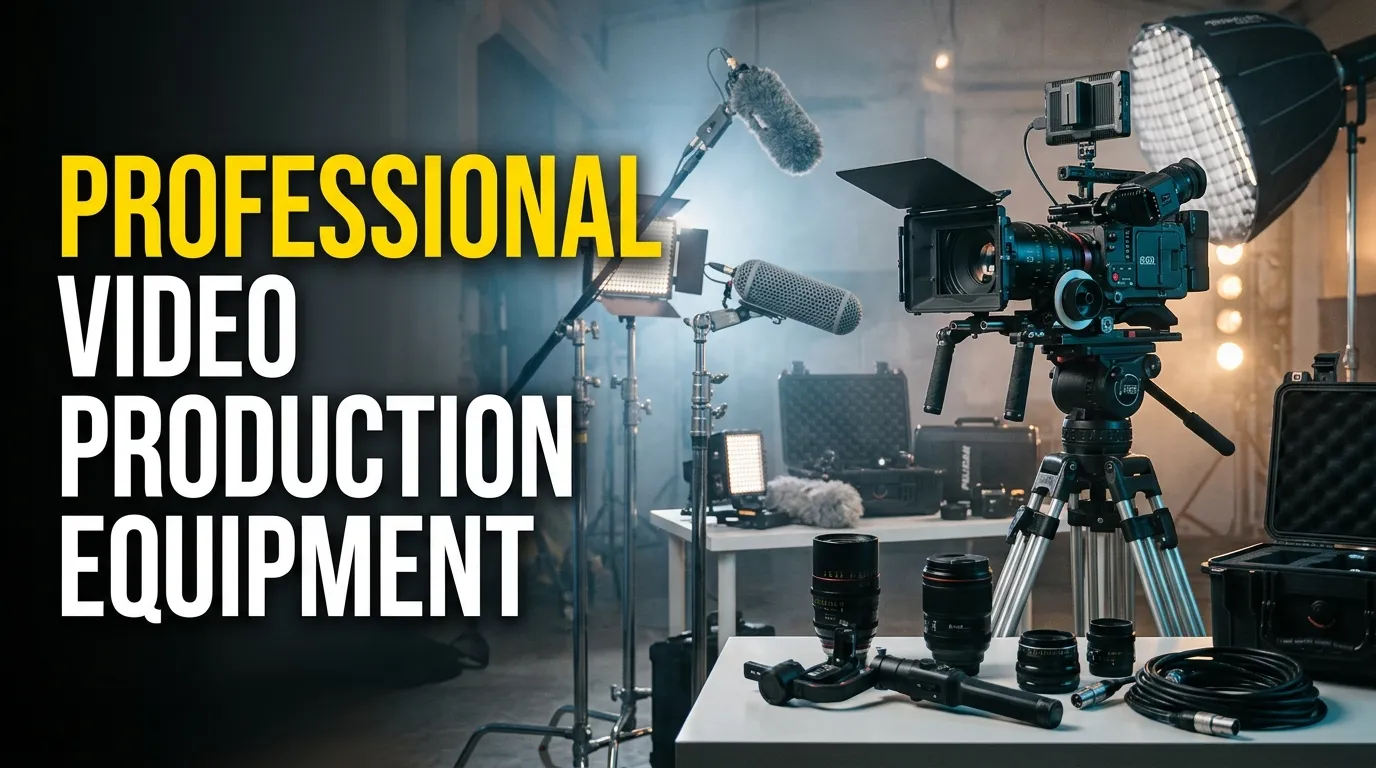 Professional video production equipment is necessary for creating visually impressive commercials that maintain consistent image quality. Modern advertising productions frequently use high-resolution cameras, interchangeable lenses, professional monitors, recording devices, and camera support systems. Camera selection depends on the commercial’s production requirements. Cinema cameras are popular for high-end advertising because they offer advanced image controls, professional color profiles, and excellent performance in different lighting conditions. Mirrorless cameras can also deliver impressive results, particularly for smaller productions and projects with limited budgets.
Professional monitors allow cinematographers and directors to evaluate exposure, focus, framing, and color while filming. This reduces the possibility of recording unusable footage and saves time during post-production. Reliable TV Commercial Production Equipment should also include suitable memory cards, external recording devices, batteries, and backup storage. These accessories help maintain uninterrupted production and protect valuable footage. For businesses planning advertising campaigns, professional video production is an investment in brand presentation. High-quality visuals can make products look more attractive, communicate professionalism, and create a stronger impression on potential customers.
Commercial Video Filming Equipment
Commercial video filming equipment covers the tools used to capture different scenes, camera movements, and visual effects during advertising production. The right equipment helps filmmakers create smooth footage while maintaining the creative direction of the commercial. Tripods are among the most important filming accessories because they provide stability during stationary shots. Fluid-head tripods are particularly useful for smooth camera movements, including pans and tilts. For dynamic scenes, filmmakers may use gimbals, sliders, dollies, and handheld stabilizers.
Drones are another useful option for commercials that require aerial footage. They can capture impressive views of buildings, landscapes, construction projects, resorts, and large commercial properties. However, operators should follow applicable aviation regulations and obtain the necessary permissions before filming. Camera rigs, cages, follow-focus systems, and external monitors also improve filming flexibility. These accessories allow cinematographers to control their cameras more effectively and achieve the desired composition. Selecting suitable TV Commercial Production Equipment depends on the shooting style and creative requirements. A commercial featuring fast-moving scenes may require advanced stabilization, whereas a studio-based product advertisement may need precision camera movements and controlled framing.
Television Advertising Production Gear
Television advertising production gear includes specialized equipment used to develop advertisements that communicate brand messages through compelling visuals and sound. Commercial production often involves several departments working together, including directing, cinematography, lighting, sound recording, and production management. Camera systems are responsible for capturing the main footage, while lighting equipment controls brightness, shadows, and visual atmosphere. Audio equipment records dialogue, background sounds, and voiceovers. Monitoring systems help directors and cinematographers evaluate footage during filming.
Production accessories such as cables, batteries, wireless transmitters, reflectors, clamps, and mounting systems are equally important. Although these items may appear small, they support the entire production workflow. Before purchasing TV Commercial Production Equipment, production companies should consider the type of advertisements they expect to create. A company producing frequent studio commercials may benefit from permanent lighting installations and professional camera systems. A production team working on different locations may prioritize portable and versatile equipment. Budget planning is another important consideration. Businesses interested in understanding production expenses can explore this guide on TV ad production budget, which provides relevant information about the financial side of television advertising.
Video Camera Equipment for Commercials
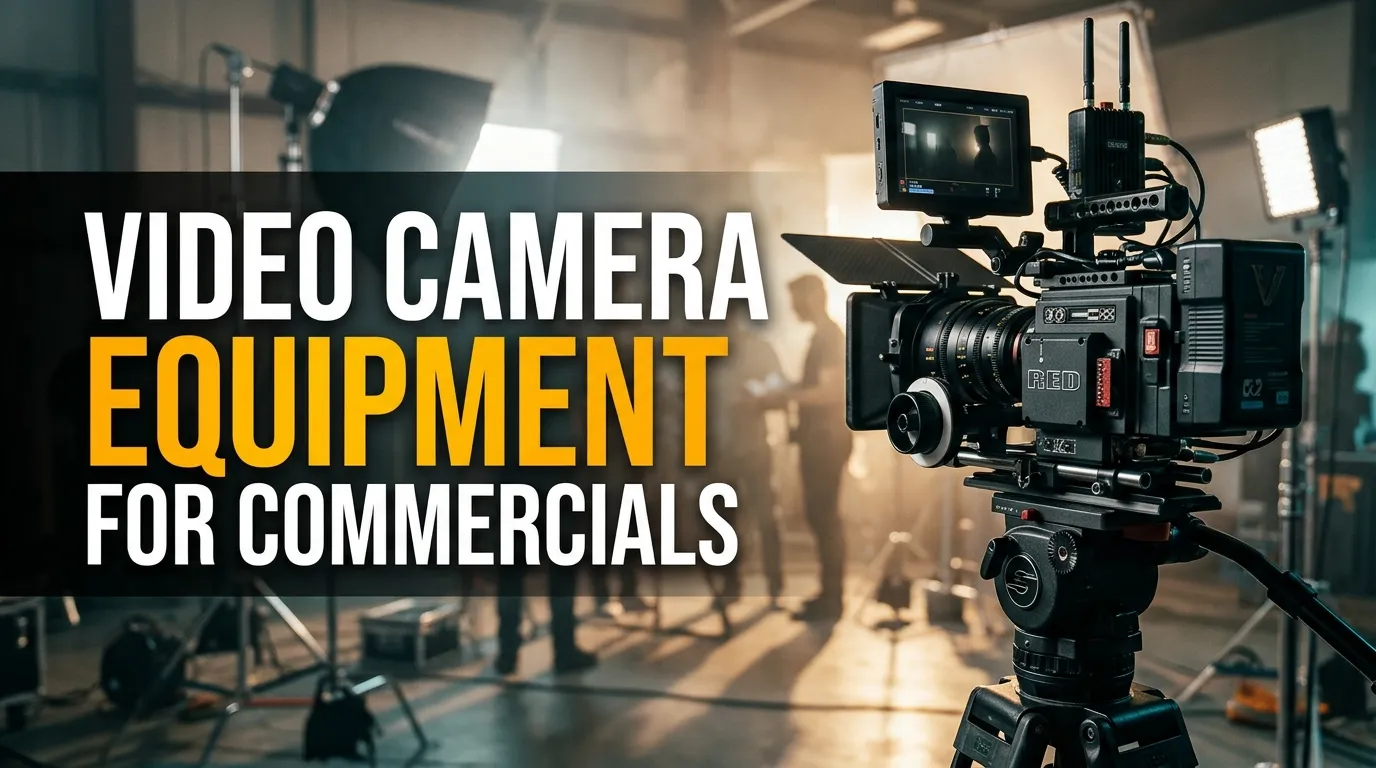 Video camera equipment for commercials is one of the most important investments in professional advertising production. The camera determines how visual information is captured and provides the foundation for the commercial’s overall appearance. Professional cameras offer different features, including high-resolution recording, dynamic range, frame-rate options, interchangeable lenses, and advanced color profiles. These capabilities help cinematographers capture footage suitable for different advertising styles.
Lens selection is equally important. Wide-angle lenses are useful for capturing environments and establishing shots, while standard lenses provide natural-looking perspectives. Telephoto lenses help isolate subjects, and macro lenses are particularly valuable for close-up product advertisements. For example, a commercial promoting cosmetics may require detailed shots that highlight product textures and packaging. A car advertisement may need a combination of wide-angle shots, tracking footage, and close-ups to emphasize the vehicle’s design.
Camera accessories should also be considered when building TV Commercial Production Equipment. Extra batteries, professional memory cards, lens filters, external monitors, and camera support systems help improve reliability and shooting flexibility. Before selecting a camera, production teams should evaluate the intended distribution format, resolution requirements, lighting conditions, and available budget. Choosing equipment that matches the project is generally more valuable than purchasing the most expensive camera available.
Professional Lighting Equipment for Video Production
Lighting is one of the most influential elements of commercial filmmaking. Even an advanced camera may produce disappointing footage if the lighting setup is poorly designed. Professional lighting equipment helps control brightness, shadows, contrast, color temperature, and the overall mood of a scene. LED lights are widely used because they are energy-efficient, adjustable, and available in different sizes. They are suitable for studio productions, interviews, product advertisements, and location filming. Softboxes and diffusers help produce softer light, while reflectors redirect existing light toward subjects.
Key lights, fill lights, and backlights are commonly used in professional three-point lighting setups. The key light provides the primary illumination, the fill light reduces unwanted shadows, and the backlight separates the subject from the background. Lighting modifiers are also important for achieving specific visual effects. Grids, barn doors, umbrellas, and diffusion materials help cinematographers control how light reaches the subject. When choosing TV Commercial Production Equipment, lighting should receive as much attention as camera selection. A carefully planned lighting arrangement can make products appear more appealing, create depth, and establish the visual identity of an advertisement.
Audio Recording Equipment for TV Commercials
Audio quality is just as important as visual quality in television advertising. Poor sound can distract viewers, reduce credibility, and make even an attractive commercial feel unprofessional. Clear dialogue, balanced background music, and properly recorded sound effects help create an engaging advertising experience. Professional microphones are essential for capturing clean audio. Shotgun microphones are commonly used for dialogue recording because they can focus on sound coming from a particular direction. Lavalier microphones are useful for presenters, actors, and interviews because they can be attached discreetly to clothing.
Wireless microphone systems provide additional flexibility when actors or presenters need to move during filming. Boom poles allow sound operators to position microphones close to the speakers without placing equipment inside the camera frame. Audio recorders and mixers help manage multiple sound sources and maintain consistent recording levels. Headphones are also necessary for monitoring audio during filming and identifying unwanted background noise. A complete TV Commercial Production Equipment setup should include reliable microphones, audio cables, wind protection, headphones, recorders, and backup batteries. Post-production audio work is equally important. Editors may need to remove unwanted noise, adjust dialogue levels, add sound effects, and balance background music. Proper audio production ensures that the commercial communicates its message clearly and professionally.
Film Production Equipment and Accessories
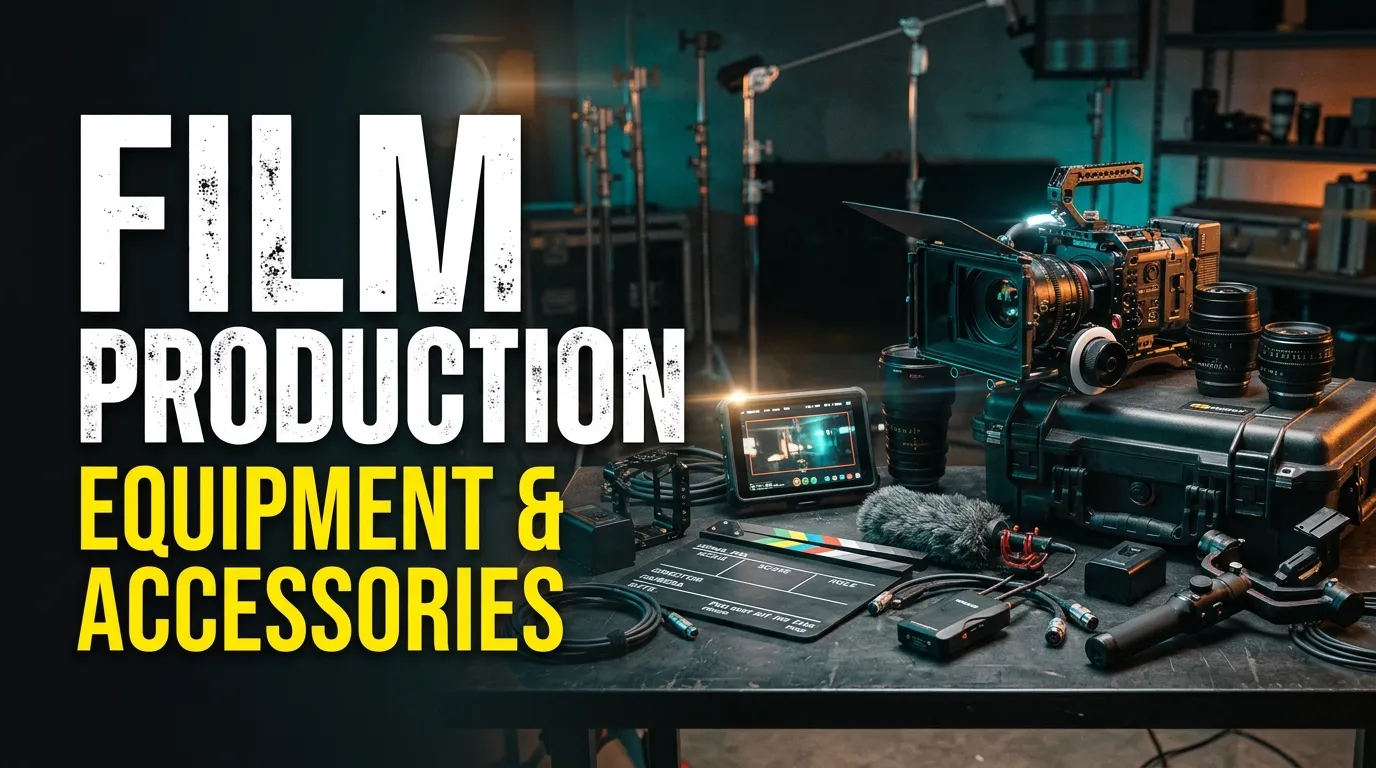 Film production equipment and accessories include the supporting tools that make commercial filming more organized, efficient, and reliable. While cameras, lighting, and microphones receive considerable attention, smaller accessories often determine how smoothly a production operates. Essential accessories include camera batteries, chargers, extension cables, power distribution systems, memory cards, hard drives, lens cleaning kits, mounting brackets, clamps, and protective carrying cases.
Power management is particularly important during long production days. Having sufficient batteries, extension cables, and backup power sources helps prevent unnecessary interruptions. Production teams should also carry additional memory cards and storage devices to protect important footage. Protective equipment is another important consideration. Camera bags, hard cases, weather covers, and lens protection help prevent damage when transporting equipment between studios and outdoor locations.
Communication tools also contribute to an organized filming environment. Wireless headsets, walkie-talkies, and production monitors allow different departments to coordinate their responsibilities effectively. Investing in dependable TV Commercial Production Equipment accessories can reduce unexpected expenses and improve workflow efficiency. A well-organized production team can spend more time creating quality content and less time dealing with avoidable technical difficulties.
Video Production Studio Equipment
A professional video production studio provides a controlled environment for creating television commercials, product demonstrations, interviews, and promotional videos. Studio-based production offers several advantages, including consistent lighting, reduced background noise, controlled camera positioning, and greater creative flexibility. A suitable studio setup may include professional cameras, lighting stands, LED panels, softboxes, microphones, acoustic treatment, green screens, backdrops, and monitoring equipment.
Green screens are particularly useful for commercials that require virtual backgrounds, creative environments, or visual effects. They allow editors to replace the original background during post-production. Acoustic panels and soundproofing materials help minimize unwanted echoes and external noise. This is especially important when recording dialogue, interviews, and voiceovers.
Editing workstations are another important part of a production studio. Powerful computers, professional editing software, color-grading monitors, and external storage systems help editors organize footage and prepare the final advertisement. A studio does not necessarily need to contain the most expensive equipment. Businesses should focus on building a setup that supports their regular production requirements. The right TV Commercial Production Equipment can transform a basic recording space into a productive commercial studio. Businesses can also strengthen their promotional activities by combining video advertising with wider business marketing strategies, helping their campaigns maintain consistent messaging across different customer touchpoints.
TV Commercial Filming Equipment
TV commercial filming equipment brings all the essential production tools together to create a complete advertising workflow. It includes cameras, lenses, lighting systems, audio devices, stabilization tools, monitoring equipment, and production accessories. The equipment required for a particular commercial depends on its concept and shooting location. A simple interview-based advertisement may need a camera, tripod, two lighting sources, and a microphone. A large-scale product campaign may require multiple cameras, specialized lenses, professional lighting arrangements, several audio recording devices, and additional crew members.
Preparation is essential before filming begins. Production teams should inspect cameras, test microphones, check lighting arrangements, charge batteries, and confirm that all recording devices have sufficient storage. A production checklist can help prevent missing equipment and reduce delays. Teams should also prepare backup solutions for essential devices, particularly cameras, audio recorders, and power systems.
The use of TV Commercial Production Equipment should always support the commercial’s primary objective. Equipment alone cannot guarantee advertising success. Creative storytelling, effective direction, professional editing, and a clear understanding of the target audience are equally important. After filming, the recorded footage moves into post-production, where editors organize clips, correct colors, balance audio, add graphics, and prepare the final advertisement for distribution. The completed commercial should meet the technical requirements of its intended television or digital platform.
How to Choose the Right Equipment for Commercial Production
Selecting production equipment requires a clear understanding of the project’s creative goals, technical requirements, and financial limitations. Businesses should begin by identifying the type of commercials they intend to produce and the locations where filming will take place. The next consideration is equipment compatibility. Cameras, lenses, monitors, microphones, lighting systems, and recording devices should work together without creating unnecessary technical difficulties.
Budget allocation should focus on the equipment that has the greatest impact on production quality. For example, a product-focused advertisement may benefit more from specialized lenses and professional lighting than from purchasing multiple cameras. Businesses should also consider renting equipment for occasional or specialized productions. Renting can provide access to advanced technology without requiring a large initial investment. Purchasing equipment may be more practical for companies that produce commercials regularly.
Another important factor is maintenance. Cameras require proper cleaning, batteries need appropriate storage, and electronic accessories should be inspected regularly. Maintaining equipment helps extend its lifespan and reduce unexpected repair costs. Finally, production companies should think about future requirements. Investing in adaptable equipment can make it easier to handle different advertising formats and changing production demands.
The Role of Commercial Videos in Modern Marketing
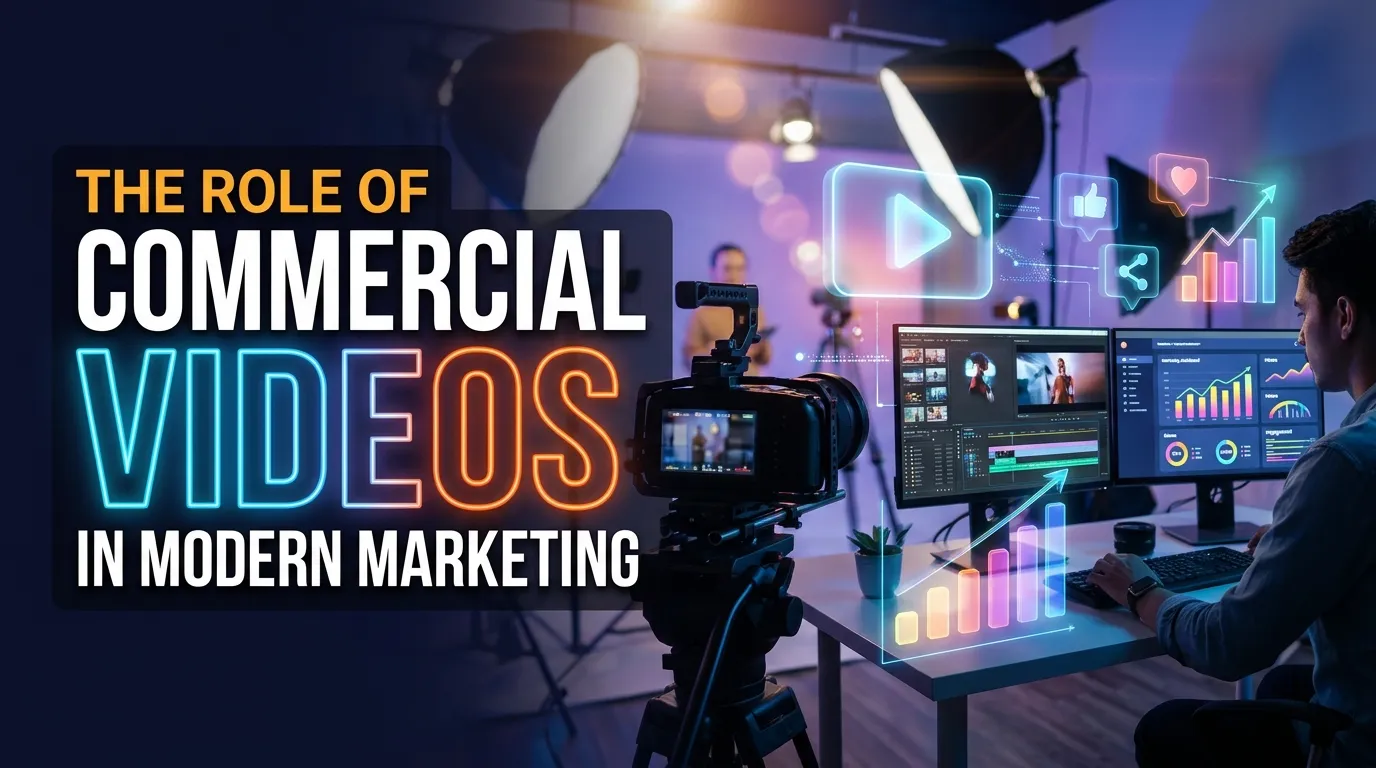 Commercial videos are valuable marketing assets because they combine visuals, storytelling, music, and messaging to communicate with audiences. Businesses can use them to introduce new products, demonstrate services, explain product benefits, and strengthen brand recognition. However, producing a commercial is only one part of a successful advertising strategy. Businesses must also consider how their content reaches potential customers and how viewers respond to the message.
Television commercials can complement digital advertising, social media campaigns, and website promotions. For example, a brand can use a television advertisement to create awareness and then direct interested viewers toward its website or online store. Businesses developing their digital presence may also benefit from understanding e-commerce website development, particularly when their commercials promote products that customers can purchase online.
Similarly, positive customer experiences can encourage people to recommend a brand to friends and family. Combining professional advertising with effective word-of-mouth marketing strategies can help businesses strengthen credibility and expand their reach. Companies should also evaluate campaign performance and avoid common planning and execution problems. Learning about common digital marketing mistakes can help businesses create more consistent promotional strategies across television and digital platforms.
Conclusion
Producing a professional television commercial requires the right combination of creative planning, technical expertise, and reliable production tools. Cameras, lenses, lighting systems, microphones, studio equipment, and filming accessories all contribute to the quality of the final advertisement. Choosing suitable TV Commercial Production Equipment allows businesses and production teams to create visually engaging content, capture clear audio, and maintain an efficient filming process. However, successful advertising also depends on strong storytelling, audience understanding, professional editing, and effective campaign planning. Whether you are building a new production studio or upgrading an existing setup, focus on equipment that meets your actual production needs. With proper planning and the right technical resources, you can create professional commercials that communicate your message, strengthen brand identity, and make a lasting impression on viewers.
FAQ
1. What equipment is needed to produce a TV commercial?
Producing a television commercial generally requires professional cameras, lenses, tripods, lighting systems, microphones, audio recorders, monitors, and editing equipment. Additional accessories such as batteries, memory cards, stabilizers, and storage devices help support the production process. The exact TV Commercial Production Equipment depends on the commercial’s concept, budget, and filming requirements.
2. Which camera is best for commercial video production?
The best camera depends on the project’s requirements and available budget. Professional cinema cameras are suitable for high-end advertising, while modern mirrorless cameras can provide excellent quality for smaller productions. Camera resolution, dynamic range, frame rates, autofocus, and lens compatibility should all be considered before purchasing.
3. Why is lighting important in TV commercial production?
Lighting helps control brightness, shadows, contrast, and the overall mood of a scene. Professional lighting makes products and people look more attractive while improving visual consistency. LED panels, softboxes, reflectors, and diffusers are commonly used to achieve professional results.
4. What audio equipment is required for television advertisements?
Common audio equipment includes shotgun microphones, lavalier microphones, wireless microphone systems, boom poles, audio recorders, mixers, and monitoring headphones. These tools help capture clear dialogue, voiceovers, and sound effects while reducing unwanted background noise.
5. Can small businesses produce professional TV commercials?
Yes. Small businesses can produce professional commercials by choosing affordable cameras, suitable lighting, reliable microphones, and essential editing tools. They can also rent specialized equipment when necessary. A carefully planned TV Commercial Production Equipment setup can deliver impressive results without requiring a large production budget.
6. Is it better to purchase or rent commercial filming equipment?
Both options have advantages. Purchasing is suitable for businesses and production companies that film regularly, while renting is useful for occasional projects or specialized productions. Renting also allows filmmakers to access advanced equipment without making a significant initial investment.
7. What equipment is required for a professional video production studio?
A professional studio generally needs cameras, lenses, tripods, lighting systems, microphones, acoustic treatment, backdrops, green screens, monitors, and editing workstations. The studio should be designed around the type of content being produced and the available working space.
8. How much does TV commercial production equipment cost?
The cost varies depending on camera quality, lighting requirements, audio systems, accessories, and studio facilities. A basic setup may be relatively affordable, while advanced cinema cameras and professional studio installations can require a substantial investment. Businesses should create a production budget before purchasing equipment.
9. What accessories are essential for commercial filming?
Important accessories include extra batteries, memory cards, camera bags, tripods, stabilizers, lens filters, cables, chargers, reflectors, and external storage devices. These supporting tools improve reliability, protect equipment, and help production teams work more efficiently.
10. How can I improve the quality of my TV commercials?
You can improve commercial quality by using appropriate cameras, professional lighting, clear audio recording, stable camera movements, and high-quality editing. Proper planning, creative storytelling, and understanding your target audience are equally important. Selecting the right TV Commercial Production Equipment provides a strong technical foundation for creating effective advertising content.