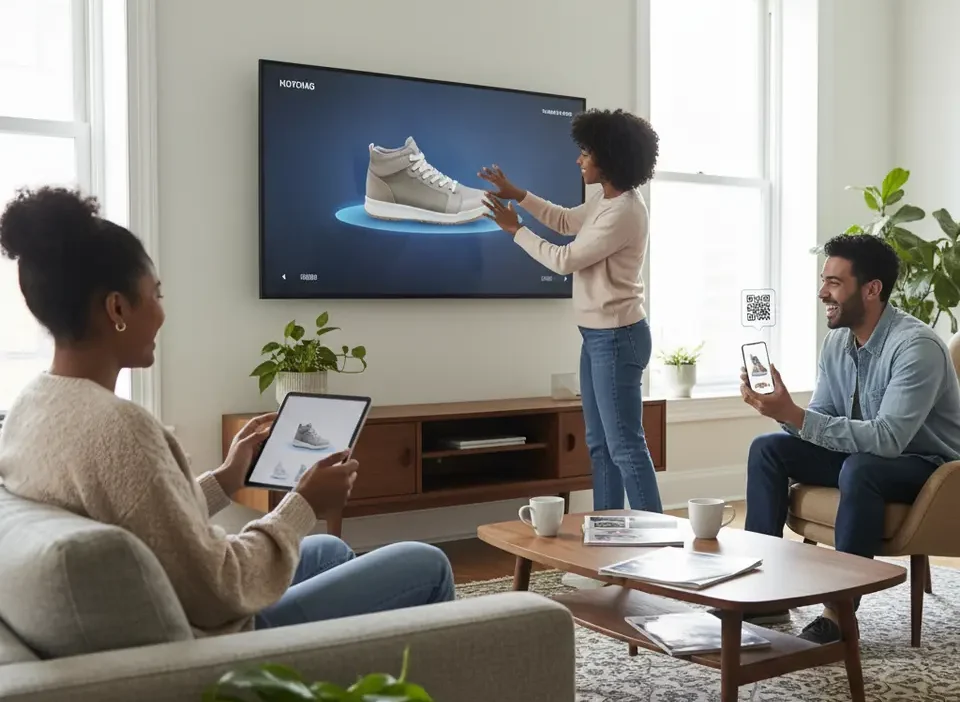
In today’s digital landscape, television is evolving beyond passive viewing into an immersive, two-way experience. Interactive TV advertising has emerged as a dynamic approach that allows audiences to engage directly with commercial content via their remote controls, mobile devices or voice assistants. This shift transforms the traditional model of uninterrupted 30-second spots into participatory moments where viewers can click for more details, answer polls, shop within the ad and even control on-screen overlays. As brands seek deeper connections and measurable outcomes, interactive TV advertising stands out as a powerful tool to capture attention, drive conversions and foster loyalty.
Interactive formats are powered by a blend of programmatic targeting, addressable technology and innovative creative design. Advertisers can tailor messages to individual households based on real-time data, presenting audience members with the most relevant product options or promotions. According to research from Pew Research Center, consumers are increasingly comfortable providing first-party data when it enhances their viewing experience. Government agencies like the Federal Communications Commission also recommend adopting standardized protocols to ensure seamless interoperability and compliance.
This comprehensive guide will explore the evolution, core features, cutting-edge innovations, benefits and best practices associated with interactive TV advertising. Whether you are a seasoned marketer or a brand new to connected-TV campaigns, you’ll learn how to craft engaging experiences that resonate with today’s audiences, maximize return on ad spend and position your brand at the forefront of television’s next frontier.
The Evolution of Interactive TV Advertising
Television advertising has traversed several distinct eras, each marked by technical advancements and shifting viewer expectations. In the linear broadcast epoch, commercials were scheduled into fixed programming blocks with no direct feedback loop. Advertisers relied on broad demographic estimates and coarse ratings data to gauge reach and frequency. The advent of cable and satellite delivery ushered in niche channels, enabling slightly more targeted placements, but interactivity remained out of reach.
With the rise of connected devices and streaming services, the digital convergence phase began. Viewers could consume on-demand content while connected-TV platforms collected granular viewing signals. Programmatic and addressable TV soon followed, allowing advertisers to bid on impressions and dynamically insert ads based on user profiles. Yet these ads were still largely one-way broadcasts.
The true paradigm shift arrived when brands integrated clickable elements, voice prompts and second-screen experiences into television commercials. Interactive TV advertising now bridges the gap between traditional spot-based messaging and digital engagement. By overlaying clickable “Buy Now” buttons, enabling swipe-through carousels and offering QR codes linked to exclusive offers, interactive formats transform viewers from passive observers into active participants.
Today, technology standards such as HbbTV and ATSC 3.0 provide frameworks for seamless interactive features across set-top boxes, smart TVs and streaming devices. This year (2026), milestones in bandwidth, device interoperability and user comfort with in-stream engagement have converged to make interactive advertising an essential component of any forward-looking media strategy.
Core Features of Interactive TV Advertising
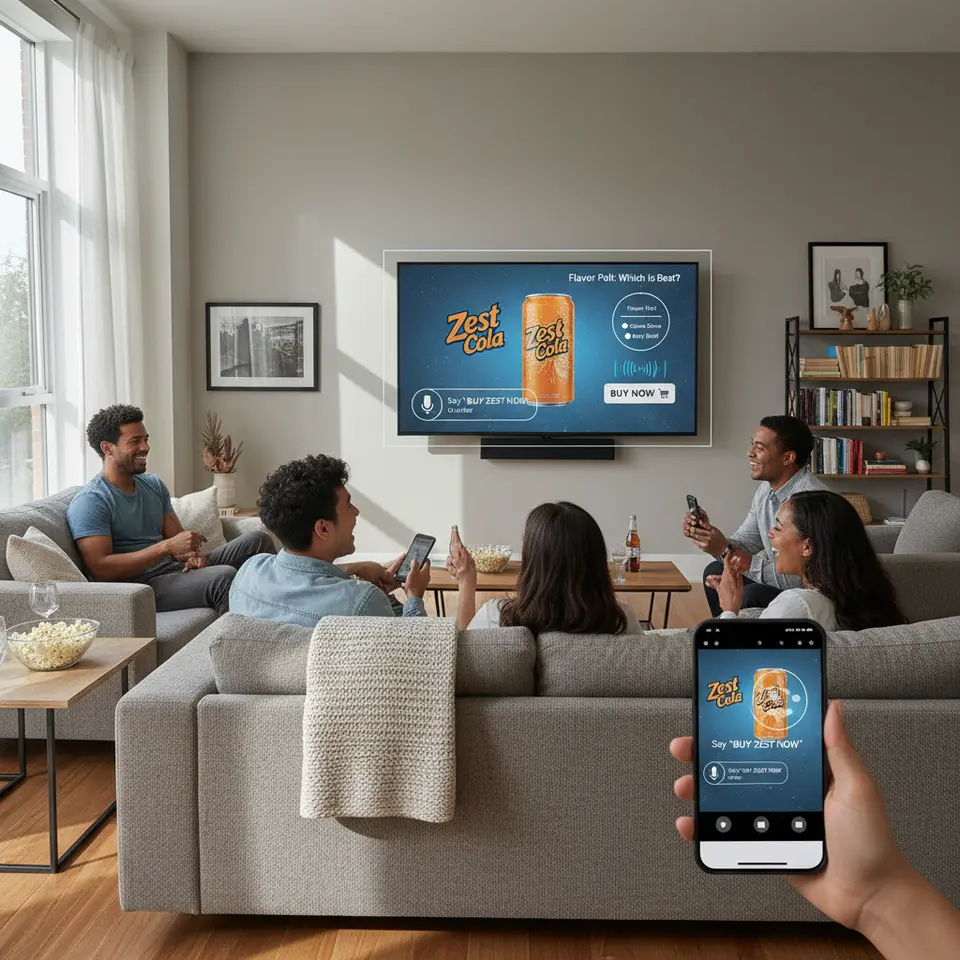
At its essence, interactive TV advertising invites viewers to take an active role in the commercial journey. Rather than waiting for a static message to end, audiences can engage with on-screen prompts that surface additional details, tailored offers or entertaining mini-games. Key elements include:
- Clickable Call-to-Action Buttons: Easily accessible buttons on screen that allow viewers to request more information, add products to a shopping cart or sign up for newsletters.
- Voice Command Integration: Leveraging built-in microphones on smart TVs and voice assistants like Alexa and Google Assistant, viewers can speak simple commands such as “Show me more” or “Play demo.”
- Second-Screen Synchronization: Companion mobile apps can mirror TV content or deliver supplementary visuals and rewards, using audio fingerprinting or digital watermarking to ensure real-time alignment.
- Shoppable Overlays: Product tags and “Buy Now” links embedded within the ad creative, empowering immediate purchases without switching devices.
- Live Polls and Surveys: Real-time questionnaires that capture viewer sentiment and preferences, feeding valuable insights back to marketing teams for rapid optimization.
These features work together to increase dwell time, lift recall and drive measurable outcomes. By weaving interactive layers into storytelling, brands can create more memorable experiences and capture precise engagement metrics, such as click-through rates, voice query counts and cart additions.
Innovations Driving Engagement in Interactive TV Advertising
The interactive TV ecosystem continues to advance with novel techniques that deepen viewer immersion and enhance personalized messaging. Leading innovations include:
Shoppable Dynamic Product Formats
Using audience data and programmatic delivery, ads can display product offerings that match each household’s profile. For example, a viewer with a history of running-shoe purchases might see the latest sneaker releases, complete with price tags and “Add to Cart” prompts. This dynamic creative optimizes relevance and conversion potential.
Augmented Reality Overlays
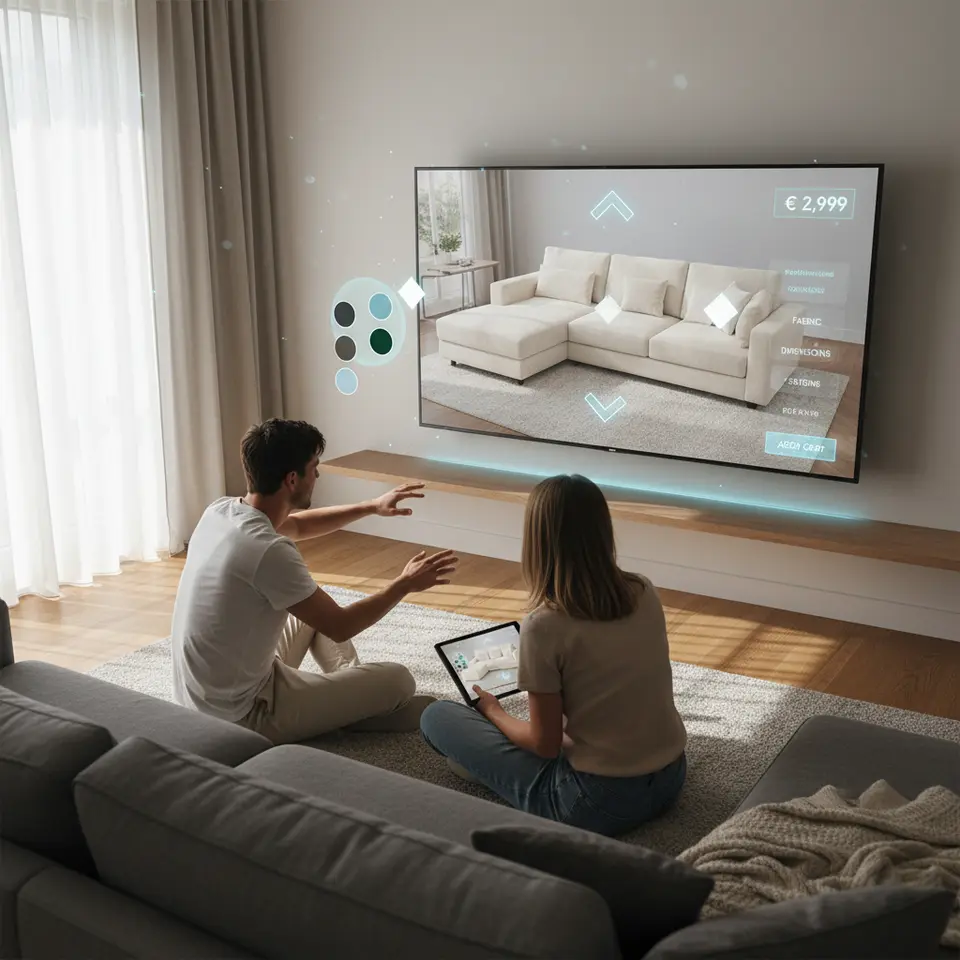
AR experiences on large screens allow users to visualize products in their own space. Imagine an interactive furniture ad projecting 3D models of sofas or tables directly onto the living room floor. Viewers can rotate, resize and customize color options, making the shopping experience tangible and interactive.
Voice-First Interactivity
Smart TVs equipped with voice assistants enable hands-free engagement. During an ad break, viewers can ask, “Tell me more about that electric vehicle,” and instantly receive technical specs, dealership locators or test-drive bookings. This reduces friction and streamlines the path from discovery to action.
Second-Screen Gamification
Gamified trivia or scavenger hunts synced across TV and mobile devices enrich the commercial narrative. When a viewer correctly answers branded quiz questions on their phone, they unlock exclusive coupons or limited-time offers on the big screen. This cross-device play nurtures deeper brand affinity and encourages repeat interactions.
AI-Powered Personalization Engines
Artificial intelligence algorithms analyze real-time behavioral signals—from viewing habits to previous ad responses—to assemble bespoke ad creatives on the fly. Brands can test multiple messaging variations, imagery sets and offers simultaneously, with machine learning optimizing towards the highest performing combinations.
Combined, these innovations elevate interactive TV advertising from basic click-through spots into rich, data-driven experiences that resonate with modern consumers. As technology converges and viewer expectations continue to rise, staying ahead means embracing these advanced capabilities.
Benefits and Key Metrics of Interactive TV Advertising
Interactive TV advertising delivers measurable advantages that traditional broadcast formats simply cannot match. By enabling two-way exchanges, marketers gain deeper insights into audience behavior and can quantify success across multiple touchpoints. The primary benefits include:
- Enhanced Engagement Rates: Click-throughs, voice queries and cart adds often outperform passive spot click rates by 200–300%, as viewers actively participate in the content.
- Improved Brand Recall: Experiential ads are remembered 70% more than standard commercials, according to studies conducted by the Pew Research Center.
- Frictionless Commerce: Shoppable overlays and seamless second-screen transitions reduce the purchase path from minutes or hours to mere seconds.
- Real-Time Performance Tracking: Advertisers can monitor impressions, interactions, time spent on interactive elements and total conversions within dashboards, enabling rapid campaign adjustments.
- Richer Audience Insights: Data collected from surveys, voice commands and on-screen behaviors feeds back into customer profiles, refining future targeting and creative decisions.
Key metrics to monitor in interactive TV campaigns include interaction rate (the percentage of viewers who engage with the ad layer), conversion rate (actions taken divided by total impressions), average dwell time on interactive content and incremental sales lift. Tracking these figures holistically provides a clearer picture of return on ad spend compared to linear buys.
Organizations aiming for deeper analysis can integrate CRM and data management platforms to correlate interactive engagements with downstream revenue, customer lifetime value and repeat purchase patterns. This unified view helps prove the business impact of interactive TV investment and guide budget allocation in today’s competitive media environment.
The Role of AI in Interactive TV Advertising
Artificial intelligence is becoming one of the biggest driving forces behind interactive TV advertising, helping brands deliver more personalized, engaging, and data-driven viewing experiences. Instead of showing the same advertisement to every viewer, AI allows advertisers to analyze audience behavior, viewing habits, and engagement patterns in real time. This enables highly targeted campaigns that feel more relevant and interactive for each household.
As TV ad innovations continue to evolve, AI-powered systems are transforming traditional television commercials into adaptive experiences. From personalized product recommendations to automated ad optimization, these technologies are reshaping modern TV engagement by making advertising smarter, faster, and more consumer-focused.
How AI Enhances Interactive TV Advertising
- Delivers personalized ads based on viewer behavior
- Optimizes ad performance using real-time analytics
- Automates audience segmentation and targeting
- Enhances voice-command and smart-TV interactions
- Improves conversion tracking and campaign efficiency
AI Applications in TV Ad Innovations
| AI Technology | Role in Interactive TV Advertising | Benefit |
|---|---|---|
| Machine Learning | Predicts viewer preferences | More relevant ads |
| Real-Time Analytics | Tracks engagement instantly | Faster campaign optimization |
| Voice Recognition | Enables voice-based interactions | Improved user convenience |
| Personalization Engines | Customizes ad experiences | Higher engagement rates |
| Predictive Algorithms | Forecasts campaign performance | Better ROI planning |
Why AI Matters for Modern TV Engagement
- Creates more immersive viewer experiences
- Reduces irrelevant advertising interruptions
- Strengthens brand-consumer interaction
- Supports data-driven creative strategies
- Increases viewer retention and participation
By combining AI with interactive TV advertising, brands can create highly engaging campaigns that go beyond traditional commercials. These advancements in TV ad innovations are shaping the future of modern TV engagement, where viewers become active participants rather than passive audiences.
Consumer Behavior Trends in Interactive TV Advertising
As digital entertainment habits continue to evolve, consumer expectations around interactive TV advertising are changing rapidly. Modern viewers no longer want passive ad experiences that interrupt content without offering value. Instead, audiences increasingly prefer engaging, personalized, and interactive formats that allow them to explore products, access exclusive offers, or directly participate in branded experiences. This shift is pushing companies to rethink traditional advertising strategies and embrace more innovative engagement methods.
The growth of smart TVs, streaming platforms, and connected devices has accelerated these changes. In 2026, viewers are spending more time on on-demand content, making TV ad innovations essential for capturing attention in a highly competitive media environment. As a result, brands are focusing on creating immersive experiences that strengthen modern TV engagement through personalization, convenience, and real-time interaction.
Key Consumer Behavior Trends
- Preference for personalized and relevant advertisements
- Increased engagement with shoppable TV experiences
- Growing use of voice commands and smart-TV interactions
- Higher demand for interactive and gamified content
- Stronger interest in second-screen integration during viewing
How Consumer Trends Are Shaping TV Ad Innovations
| Consumer Trend | Advertising Response | Impact |
|---|---|---|
| Demand for personalization | AI-driven ad targeting | Higher viewer relevance |
| Multi-device viewing habits | Second-screen synchronization | Improved engagement |
| Interactive shopping interest | Shoppable TV ads | Faster purchasing decisions |
| Shorter attention spans | Dynamic interactive formats | Better audience retention |
| Preference for convenience | Voice-enabled ad interaction | Smoother user experience |
Impact on Modern TV Engagement
- Encourages active participation instead of passive viewing
- Builds stronger emotional connections with brands
- Improves audience retention and interaction rates
- Creates more memorable advertising experiences
- Enhances overall customer journey across devices
As audience expectations continue to rise, brands that invest in interactive TV advertising and embrace advanced TV ad innovations will be better positioned to lead the future of modern TV engagement. These evolving consumer behaviors are redefining how television advertising connects with viewers in the digital era.
Implementing Interactive TV Ads: Strategies and Best Practices

Define Clear Objectives
Begin by setting specific goals for awareness, lead generation, direct sales or audience research. Establish benchmarks for interaction rate, conversion rate and return on ad spend. Clear objectives will guide creative approaches and measurement frameworks.
Select the Appropriate Technology Partners
Collaborate with platforms that support addressable delivery, programmatic buying and interactive overlays. Ensure they comply with open standards such as HbbTV or ATSC 3.0 for broad device compatibility. Verify robust reporting capabilities and seamless integrations with analytics tools.
Craft Compelling Interactive Creative
Focus on simplicity: keep interactive CTAs visible and intuitive. Limit user choices to two or three to avoid decision paralysis. Use concise copy and visually distinct buttons, and communicate value propositions quickly. Consider A/B testing different interactive elements, voice prompts and second-screen integrations.
Integrate Data Flows and Privacy Controls
Sync real-time signals from your CRM, data management platform and analytics suite to enable dynamic creative personalization. Implement strict opt-in mechanisms and anonymize user data to ensure compliance with privacy regulations such as GDPR and CCPA.
Conduct Rigorous Testing and Optimization
Run pilot campaigns to identify which interactive features resonate most with your target audience. Use A/B tests to iterate on messaging, button placement and voice scripts. Monitor performance daily and adjust bids, audience segments and creative variations based on live data.
Measure, Report and Scale
Generate comprehensive reports that tie interactive engagements to key business outcomes—sales lift, lead quality and customer retention. Share insights with stakeholders and refine strategies for broader rollouts. Scaling successful pilots into full-funnel initiatives will drive sustained growth and reinforce the value of interactive TV advertising.
Frequently Asked Questions
How does interactive TV advertising work?
Interactive TV advertising allows viewers to engage directly with ads through on-screen actions, voice commands, or synchronized mobile devices. These ads use technologies like programmatic advertising and addressable TV to deliver personalized experiences in real time. Interactive elements such as clickable overlays, QR codes, and call-to-action buttons help capture viewer engagement instantly.
Which platforms support interactive TV advertisements?
Many major smart TV platforms and streaming ecosystems support interactive advertising features.
Popular platforms include Roku, Amazon Fire TV, Samsung Tizen, LG webOS, and Android TV.
Industry standards such as HbbTV and ATSC 3.0 also help enable interactive experiences across connected television environments.
What metrics should advertisers track for interactive campaigns?
Advertisers should monitor metrics like interaction rate, click-through rate, conversion rate, and average engagement time. Tracking dwell time on interactive elements helps measure viewer interest and participation quality.
Combining campaign metrics with CRM and sales data provides deeper insights into long-term customer value.
Why is interactive TV advertising becoming more popular?
Interactive TV advertising creates more engaging and personalized experiences for viewers.
It transforms passive watching into active participation, increasing audience involvement.
As smart TVs and streaming adoption continue to grow, advertisers are investing more in interactive formats.
How does programmatic advertising support interactive TV ads?
Programmatic technology automates ad placement using real-time audience data and targeting algorithms. This allows brands to serve personalized interactive ads to specific viewer segments.
The result is improved targeting efficiency and higher campaign relevance.
What role do QR codes play in interactive TV advertising?
QR codes provide a quick bridge between television content and digital experiences. Viewers can scan the code with smartphones to access promotions, websites, or product pages instantly.
This helps increase conversions and simplifies audience interaction.
Can small businesses use interactive TV advertising?
Yes, interactive TV advertising is becoming more accessible through self-service ad platforms and streaming services. Small businesses can target local or niche audiences without needing massive advertising budgets.
This makes interactive campaigns more affordable and measurable than traditional TV ads.
What challenges exist in interactive TV advertising?
Challenges include technology compatibility across devices and varying viewer adoption rates.
Privacy concerns and data collection regulations can also affect targeting capabilities.
Additionally, creating engaging interactive experiences often requires a higher production effort.
How does second-screen synchronization improve engagement?
Second-screen synchronization connects TV ads with mobile devices or tablets in real time.
This enables viewers to interact with ads while watching content without interrupting the viewing experience. It creates seamless cross-platform engagement opportunities for brands.
How can brands improve the effectiveness of interactive TV campaigns?
Brands should focus on clear calls to action, simple user interactions, and personalized messaging.
Interactive elements should feel natural and not disrupt the viewing experience.
Continuous testing and performance analysis help optimize campaign results over time.
What is the future of interactive TV advertising?
The future of interactive TV advertising will likely include deeper AI personalization and voice-controlled engagement. Augmented reality and shoppable TV experiences are also expected to become more common.
As connected TV technology advances, interactive ads will become more immersive and data-driven.
Conclusion
Interactive TV advertising has evolved into a sophisticated medium that combines the broad reach of television with the precision and measurability of digital marketing. By enabling viewers to actively participate—whether through clickable overlays, voice commands, or second-screen activities—brands can boost engagement, gather first-party data and drive immediate commerce. Today’s technology standards and AI-powered personalization engines make it possible to deliver dynamic creatives tailored to each household in real time.
As competition intensifies, advertisers who embrace interactive formats will stand out and forge deeper connections with their audiences. Start by defining clear objectives, partnering with capable technology providers, and crafting concise, compelling experiences. Measure performance rigorously and scale what works across your media mix. With interactive TV advertising, the path from attention to action has never been more direct. Seize the opportunity today and transform your television campaigns into interactive success stories.