
In today’s digital landscape, television advertising is undergoing a profound transformation. Advertisers are moving beyond one-size-fits-all spots to deliver tailored messages that resonate with individual viewers. At the core of this shift is AI-driven personalization, a technology that combines machine learning, predictive analytics, and real-time decisioning to craft hyper-relevant ad experiences. By analyzing a viewer’s preferences, viewing history, demographic profile, and contextual signals like local weather or live events, AI systems can serve the most compelling creative variant at the optimal moment. This level of precision not only boosts engagement and brand recall but also maximizes return on investment by minimizing wasted impressions.
Currently, traditional television models rely on broad demographic segments and static ad rotations, often resulting in generic messaging that fails to captivate audiences. In contrast, AI-driven personalization unlocks dynamic creative optimization (DCO) capabilities, enabling brands to swap headlines, imagery, offers, and calls to action based on individual data points. When deployed across linear TV, connected TV (CTV), and programmatic channels, these intelligent systems ensure a seamless cross-screen experience that aligns with viewer expectations.
In this comprehensive guide, we explore how AI-driven personalization is reshaping television advertising in 2026. We will examine its foundational components, highlight key benefits, outline practical implementation strategies, address common challenges, and forecast emerging trends. Whether you are an advertiser, agency leader, or media strategist, this roadmap will equip you with actionable insights to harness AI-driven personalization and deliver TV campaigns that truly resonate with today’s audiences.
Understanding AI-Driven Personalization in TV Advertising
AI-driven personalization in television advertising refers to the use of advanced algorithms to tailor ad content and delivery for individual viewers or finely segmented groups. Unlike conventional linear TV ads that broadcast the same commercial to millions, AI-enabled platforms analyze vast datasets in real time—ranging from set-top box logs and streaming device metrics to CRM records and third-party audience data—to predict which creative elements will drive the highest engagement and conversions.
Data Aggregation and Integration
The first step in AI-driven personalization is consolidating disparate data sources into a unified environment. A robust customer data platform (CDP) or data management platform (DMP) ingests first-, second-, and third-party information: subscriber profiles, purchase histories, browsing behavior, and demographic attributes. This integrated dataset serves as the foundation for training machine learning models.
Machine Learning Models
Predictive algorithms are trained on historical viewing patterns and conversion events to identify the creative elements most likely to resonate with target segments. These models continuously learn from incoming data, refining their predictions and improving ad relevance over time.
Real-Time Decisioning Engines
When a viewer tunes in, a decisioning engine processes contextual signals—such as current program, geographic location, and external factors like weather or live sports scores—and instantly selects the most suitable ad variant. This split-second decision ensures the delivered message aligns with the viewer’s interests and the ongoing context.
Dynamic Creative Optimization (DCO)
DCO platforms dynamically assemble ad creatives by merging modular assets: headlines, images, videos, offers, and calls to action. Each asset is tagged by target criteria, allowing the system to compose numerous variants tailored to different viewer profiles in real time.
Performance Analytics and Feedback Loops
After deployment, AI dashboards measure key metrics—view-through rate (VTR), click-through rate (CTR), conversion rate, and incremental return on ad spend (iROAS). Insights are fed back into the machine learning cycle, enabling continuous optimization and budget reallocation toward high-performing segments.
Benefits of AI-Driven Personalization
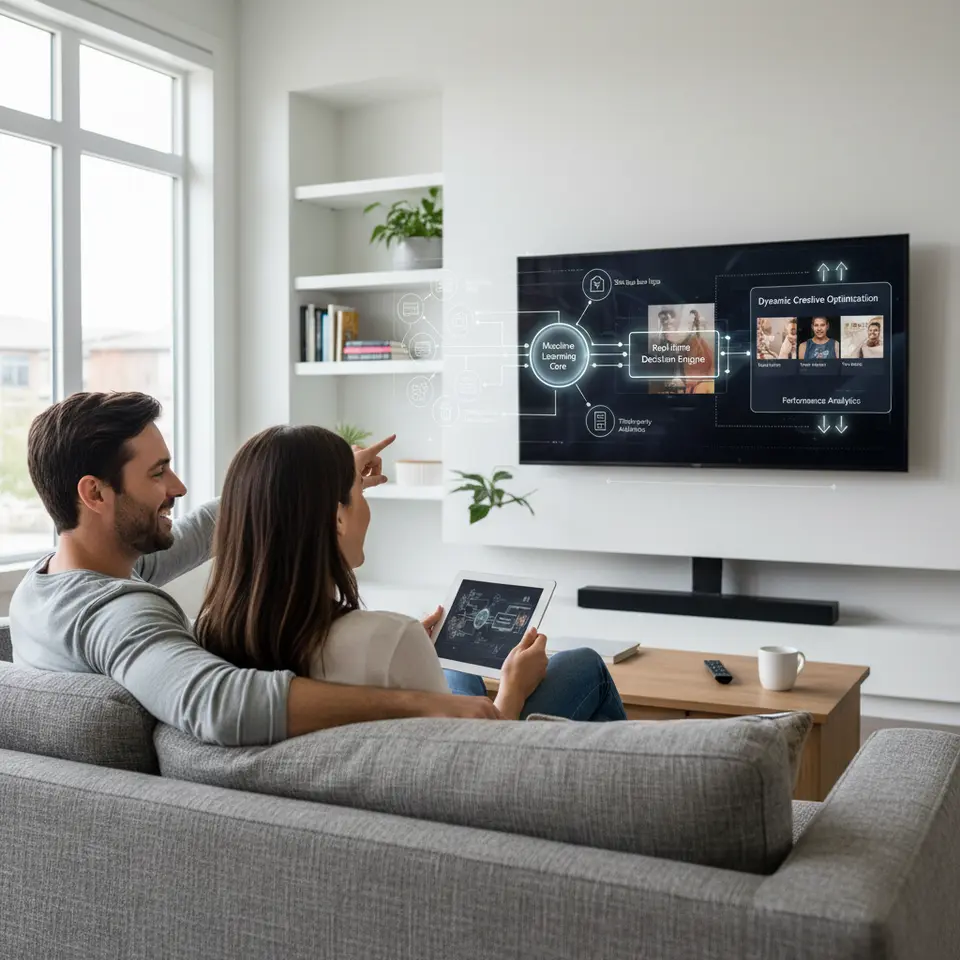
Integrating AI-driven personalization into television advertising offers transformative benefits for brands, agencies, and viewers. By moving away from one-size-fits-all campaigns, advertisers can achieve higher engagement, better conversion metrics, and more efficient media spend.
1. Enhanced Viewer Engagement
When ads speak directly to individual interests, viewers are significantly more likely to pay attention. Research from Stanford University indicates that personalized campaigns can increase engagement by up to 80% compared to generic ads (https://www.stanford.edu).
2. Improved Conversion Rates
Personal relevance drives action. Ads that align with a viewer’s needs and preferences can boost conversion rates by as much as 30%. Viewers exposed to tailored offers are more inclined to visit a landing page, download an app, or make a purchase.
3. Optimized Media Spend
By focusing budget on high-value segments and reducing wasted impressions on unresponsive audiences, AI-driven personalization maximizes ROI. Programmatic integration allows real-time budget shifts toward top-performing creative variants and audience clusters.
4. Data-Driven Creative Insights
AI-powered analytics illuminate which messaging, visuals, and incentives resonate most with specific demographics. Creative teams can harness these insights to refine ad templates and develop more effective playbooks.
5. Consistency Across Channels
Deploying AI-driven personalization across linear TV, CTV, and digital platforms ensures a unified viewer experience. Consistent messaging and frequency management build stronger brand recall and reduce ad fatigue.
Key Strategies for Implementing AI-Driven Personalization
Successfully adopting AI-driven personalization in television advertising requires a strategic roadmap that aligns data, technology, and organizational processes. The following strategies will help you navigate each phase of implementation.
1. Build a Strong Data Infrastructure
Centralize data from subscriber systems, CRM databases, first-party website analytics, and compliant third-party sources into a CDP. Ensure data quality, governance, and privacy compliance (GDPR, CCPA) through rigorous consent management and anonymization techniques. A clean, unified dataset is essential for accurate modeling.
2. Choose the Right AI and DCO Platforms
Evaluate vendors based on their ability to integrate seamlessly with your ad tech stack, API flexibility, real-time processing speed, and support for addressable TV formats. Prioritize platforms offering transparent model explainability, flexible creative templates, and robust security protocols.
3. Define Clear Objectives and KPIs
Align your AI-driven personalization efforts with specific business goals—whether increasing web traffic, driving in-store visits, or boosting subscription sign-ups. Establish measurable KPIs such as VTR, CTR, conversion rate, and iROAS to track progress and ROI.
4. Develop Dynamic Creative Playbooks
Work closely with creative teams to design modular ad templates that support dynamic text, imagery, offers, and calls to action. Document playbooks for different audience segments, ensuring each element adheres to brand guidelines and compliance standards.
5. Implement Continuous Testing
Leverage A/B and multivariate testing to compare creative variants, messaging angles, and audience segments. Use AI-driven optimization loops to allocate more budget toward high-performing combinations and pause underperformers automatically.
6. Integrate with Programmatic and Addressable TV
Extend your AI-driven personalization strategy across programmatic linear TV, connected TVs, and streaming platforms. Ensure your decisioning engine can interface with demand-side platforms (DSPs) and supply-side platforms (SSPs) for seamless execution and real-time bidding.
Overcoming Common Challenges
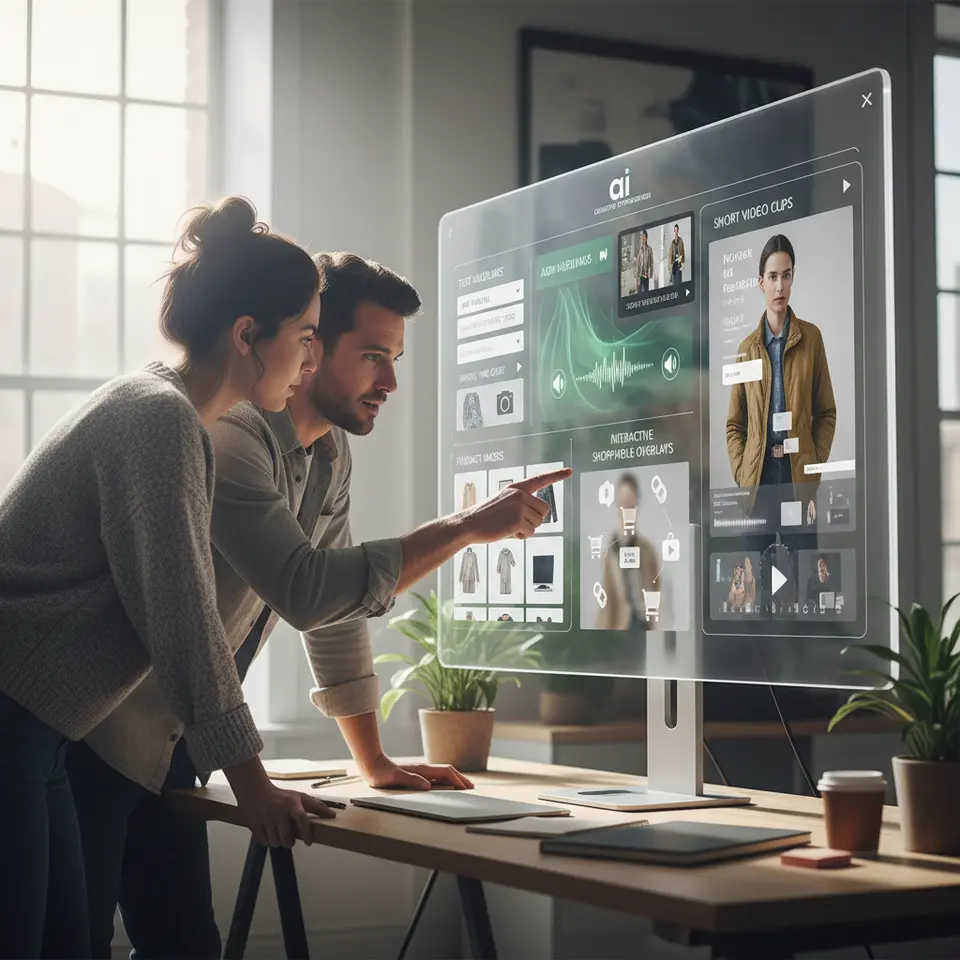
While AI-driven personalization offers significant advantages, advertisers must address several hurdles to fully realize its potential. Understanding these challenges and preparing mitigation strategies is key to success.
1. Data Privacy and Compliance
Stringent regulations like GDPR and CCPA require transparent data practices and explicit viewer consent. Deploy a consent management platform (CMP), employ data anonymization, and maintain secure storage to protect consumer trust and ensure compliance.
2. Organizational Silos
AI-driven personalization initiatives often span multiple departments—marketing, IT, data science, and creative. Foster cross-functional collaboration through shared roadmaps, integrated project management tools, and regular stakeholder workshops to break down silos.
3. Technical Complexity
Connecting AI engines, CDPs, DCO platforms, and ad servers can be technically demanding. Develop a phased integration plan, starting with high-impact use cases. Utilize middleware or tag management solutions to streamline data flows and API calls.
4. Talent and Skill Gaps
Specialized skills in AI, machine learning, and data analytics are in high demand. Invest in upskilling internal teams, collaborate with academic institutions such as the National Institute of Standards and Technology (NIST) for training resources (https://www.nist.gov), or partner with specialized agencies to bridge talent gaps.
Future Trends in AI-Driven Personalization for TV Advertising
As AI technology evolves and consumer behaviors shift, several emerging trends will shape the next wave of personalized television advertising. Staying ahead of these developments will help advertisers maintain a competitive edge.
1. Edge AI and On-Device Personalization
Edge computing will enable AI models to run directly on devices like smart TVs and set-top boxes. This approach reduces latency, enhances privacy by keeping data local, and supports incremental learning without transmitting sensitive information to central servers.
2. Multimodal Creative Optimization
Next-generation DCO platforms will optimize across multiple modalities—text, images, audio, video snippets, and interactive overlays such as shoppable tags. AI will determine the optimal combination of modalities to maximize viewer engagement.
3. Cross-Device Journey Mapping
Advanced identity resolution solutions will link viewers’ interactions across TV, mobile, desktop, and in-store channels. This unified perspective will allow AI to orchestrate narrative-driven campaigns that follow audiences through every touchpoint.
4. Ethical AI and Responsible Personalization
As personalization becomes more pervasive, brands will adopt ethical AI frameworks to ensure transparency, fairness, and inclusivity. Viewers will gain greater control over data usage and personalization settings, fostering trust in AI-driven advertising this year (2026).
FAQ
What data sources power AI-driven personalization?
AI-driven personalization leverages first-, second-, and third-party data, including set-top box logs, streaming device metrics, CRM records, purchase history, browsing behavior, and third-party audience data to build comprehensive viewer profiles.
How do brands maintain viewer privacy?
Brands maintain privacy through transparent consent management, data anonymization, and compliance with regulations like GDPR and CCPA, ensuring that personal information is secure and used responsibly.
What metrics demonstrate the ROI of personalized TV ads?
Key performance indicators include view-through rate (VTR), click-through rate (CTR), conversion rate, and incremental return on ad spend (iROAS), which collectively measure engagement efficiency and financial impact.
Conclusion
AI-driven personalization is revolutionizing television advertising by delivering tailored, contextually relevant messages that resonate with individual viewers. By building a robust data foundation, selecting the right AI and DCO tools, and implementing continuous testing and optimization, advertisers can achieve higher engagement, improved conversion rates, and optimized media spend. Overcoming challenges such as data privacy, organizational silos, and technical integration requires thoughtful planning and cross-functional collaboration. Looking ahead, trends like edge AI, multimodal creative optimization, and ethical personalization will further elevate the viewer experience. Embrace AI-driven personalization today to stay competitive in 2026’s rapidly evolving media landscape and create TV campaigns that truly connect with your audience.