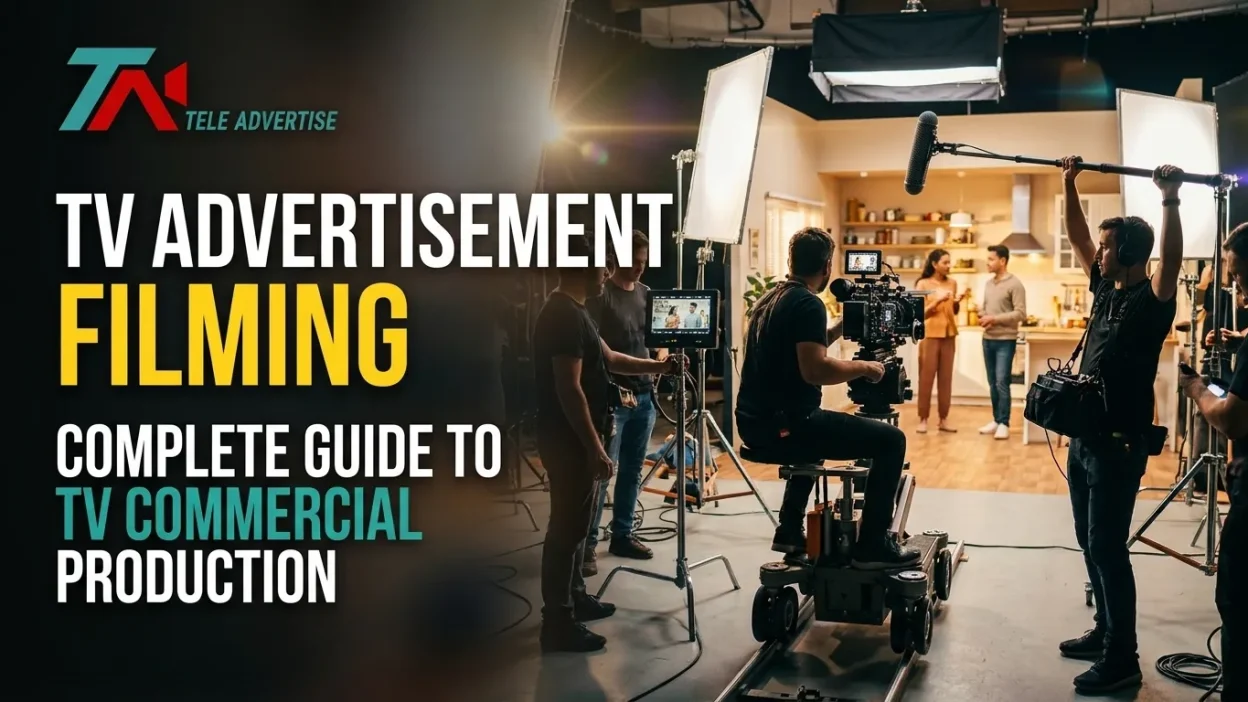
TV advertisement filming is an important part of modern marketing because it helps businesses introduce their products, communicate their messages, and connect with audiences through engaging visual content. A successful television commercial combines creative storytelling, professional filming techniques, high-quality production, and a clear advertising strategy. From developing an initial concept to recording the final scenes, every stage plays an important role in creating an advertisement that attracts attention and encourages viewers to take action. Whether a company wants to promote a new product, increase brand awareness, or reach a wider audience, professional television advertising can make a significant difference. Understanding how commercial production works allows businesses to make better creative decisions, manage production budgets, and create advertisements that deliver meaningful results.
TV Commercial Production
TV commercial production is the complete process of creating an advertisement for television. It involves developing an advertising concept, writing a script, planning scenes, selecting locations, arranging equipment, filming, and editing the final video. Every stage contributes to the quality and effectiveness of the commercial. The production process usually begins with understanding the business objectives and identifying the target audience. A company must determine what it wants viewers to remember after watching the advertisement. This could be a product benefit, a special offer, a brand message, or a particular service. Once the objective is clear, the creative team develops a concept that communicates the message in an interesting and memorable way.
During TV advertisement filming, directors, cinematographers, actors, lighting professionals, and production assistants work together to bring the concept to life. They carefully organize camera positions, lighting arrangements, background settings, and actor movements to create professional visuals. Even a short commercial may require several hours of preparation and filming. Post-production is equally important because it transforms recorded footage into a complete advertising video. Editors arrange the scenes, improve colors, adjust sound, add music, and include graphics when necessary. The final commercial should have a consistent visual style and communicate its message within the available advertising time. Businesses that want to understand the wider marketing environment can also explore trend marketing mastery, which provides useful context about marketing trends and strategies. Connecting creative production with a strong marketing direction helps businesses create advertisements that are relevant to their audiences.
Television Advertisement Production
Television advertisement production requires careful planning because television audiences receive information through both visual and audio elements. A successful commercial should capture attention quickly, communicate its message clearly, and leave viewers with a positive impression of the advertised brand. The first important stage is research. Production teams study the target market, customer preferences, competing advertisements, and the product’s unique selling points. This research helps them identify the most suitable advertising approach. For example, a food brand may benefit from colorful product shots and emotional storytelling, while a technology company may prefer demonstrations that highlight product features.
Scriptwriting is another essential part of television advertisement production. The script determines what actors say, what happens in each scene, and how the advertisement communicates its central message. Since television commercials often have limited running times, every sentence and visual element should serve a clear purpose. Production planning also includes selecting actors, choosing filming locations, arranging costumes, and preparing props. These decisions should reflect the brand’s identity and the expectations of its target audience.
A well-produced advertisement can also work alongside other digital marketing activities. Businesses interested in expanding beyond traditional advertising can learn about digital products for beginners, particularly when considering how digital offerings and promotional content can support a broader business strategy. Modern television advertisement production is no longer limited to creating a single television video. Companies can often adapt the original footage into shorter online advertisements, website videos, and social media content. This makes professional production a valuable investment across multiple marketing channels.
TV Commercial Filming Process
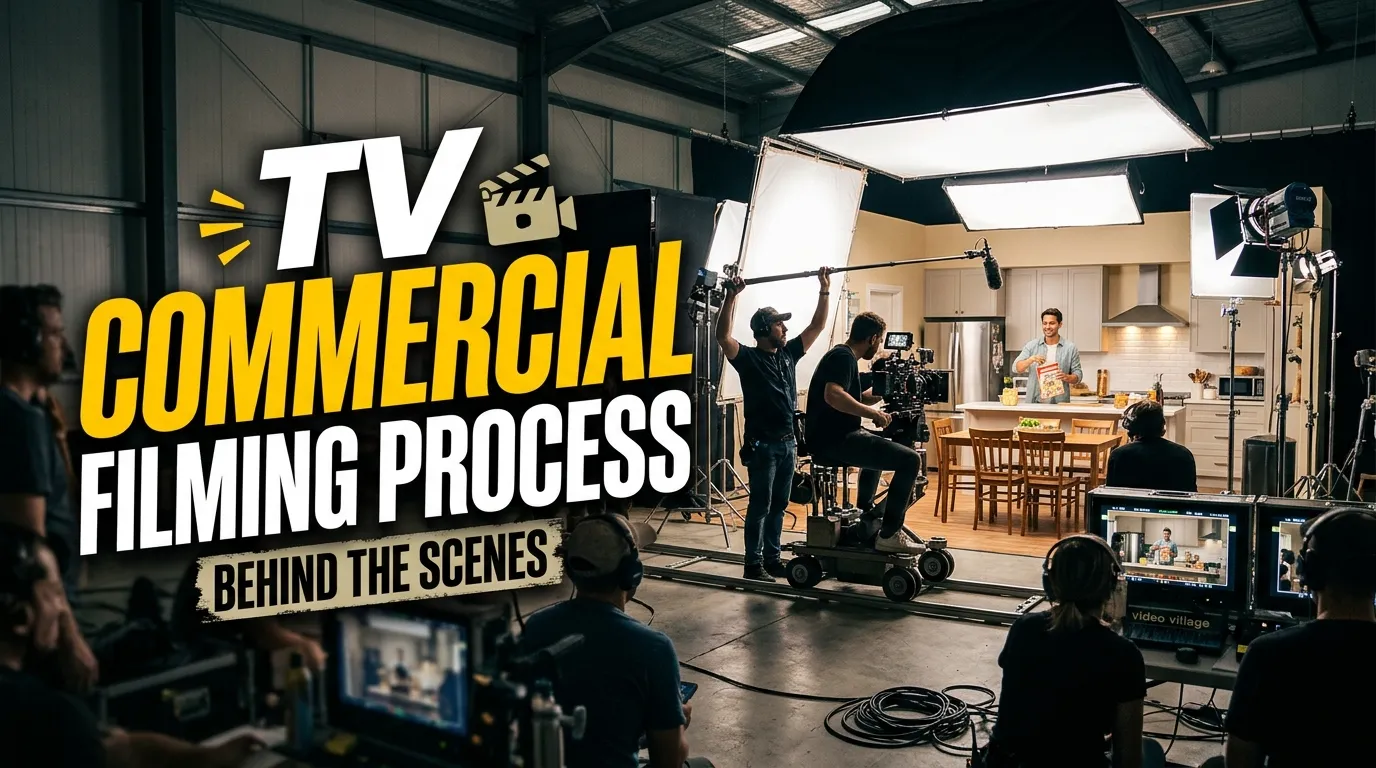 The TV commercial filming process involves several connected stages that ensure the final advertisement matches the original creative vision. Although production requirements differ between projects, most commercial shoots follow a structured workflow. The process starts with pre-production. During this stage, the production team discusses the advertising objectives, develops the concept, writes the script, prepares a storyboard, and creates a filming schedule. A storyboard is particularly useful because it provides a visual representation of the scenes and helps the director communicate the intended camera angles and movements.
After planning is complete, the team prepares the filming environment. Locations are inspected, lighting equipment is installed, cameras are tested, and actors rehearse their performances. These preparations help prevent unnecessary delays during recording. The actual TV advertisement filming stage begins when the director guides the cast and crew through each scene. Different camera angles and takes may be recorded to provide the editor with enough material. Close-up shots can highlight product details, while wide shots establish the setting and show the overall environment.
Once recording is finished, the production moves into post-production. Editors select the best footage, organize scenes, synchronize audio, add music, and apply visual corrections. The advertisement is then reviewed to ensure that the final version communicates the intended message. Businesses that advertise online as well as on television should consider how these production stages support their overall promotional strategy. Understanding online business TV advertising can help companies recognize the opportunities available when television-style commercial content is combined with online advertising.
Professional TV Ad Production
Professional TV ad production focuses on creating advertisements that meet high standards of visual quality, storytelling, and brand communication. Although modern cameras and editing software are widely available, professional production involves much more than simply recording a video. Experienced production teams understand how to communicate ideas visually. They know how lighting influences the atmosphere of a scene, how camera movement affects audience attention, and how editing can improve the overall storytelling experience.
One of the biggest advantages of professional production is consistency. Every scene should match the brand’s identity and maintain a recognizable visual style. For example, a luxury brand may require elegant lighting, carefully selected locations, and sophisticated camera movements. A family-oriented product may benefit from natural lighting, friendly performances, and relatable environments. Sound quality is another important consideration. Poor audio can make an otherwise attractive advertisement feel unprofessional. Production teams use suitable microphones, sound recording equipment, and audio editing techniques to ensure that dialogue and background music are clear.
Professional TV advertisement filming also requires attention to technical specifications. The final video must meet the requirements of the intended television broadcaster or distribution platform. This includes appropriate resolution, aspect ratio, audio levels, and file formats. Companies should also connect production decisions with their broader business goals. An effective business strategy helps determine how advertising supports customer acquisition, brand positioning, and long-term growth. Businesses can explore effective business strategy to understand why creative advertising works best when it is supported by clear business objectives.
Television Commercial Shoot
A television commercial shoot is the actual recording stage in which the planned advertisement is brought to life. It requires coordination between several professionals, including the director, camera operators, lighting technicians, actors, sound engineers, and production assistants. Before filming begins, the director usually reviews the storyboard and discusses the scenes with the production team. Actors may rehearse their dialogue and movements, while camera operators prepare the necessary equipment. The lighting team adjusts the environment to achieve the desired visual appearance.
During the shoot, the production team records each scene according to the schedule. However, commercial filming is rarely limited to one take. Directors often request multiple versions of the same scene to capture different expressions, movements, or camera angles. This provides more creative options during editing. Product positioning is particularly important during a commercial shoot. The advertised product should be visible and presented in a way that highlights its most important features. For example, a beverage advertisement may use close-up shots to show the texture, packaging, and freshness of the drink.
A successful television commercial shoot also depends on teamwork and communication. If the director, actors, and technical crew understand the creative vision, production becomes more organized and efficient. The footage created during TV advertisement filming can also be reused for other promotional purposes. Behind-the-scenes clips, short promotional videos, and selected scenes can be adapted for social platforms. Businesses can explore social media marketing to understand how video content can support audience engagement and strengthen brand visibility across different platforms.
TV Advertising Video Production
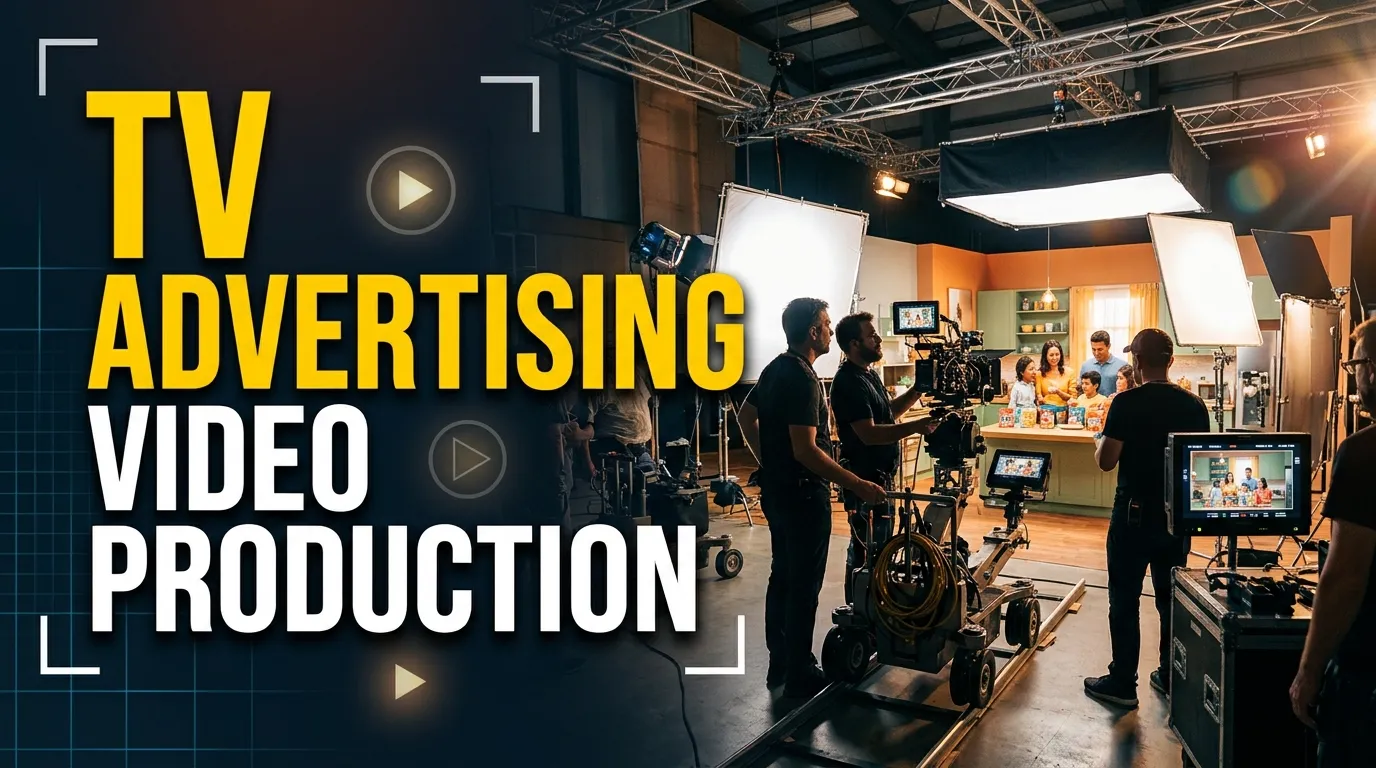 TV advertising video production combines visual storytelling, professional recording, sound design, and editing to create a commercial that communicates a business message effectively. The most successful advertisements generally begin with a clear story. Instead of simply presenting product information, they show viewers how a product or service relates to their everyday lives. A commercial might demonstrate a problem, introduce a solution, and finish by showing the benefits of the advertised product.
Visual storytelling is especially valuable because audiences often remember interesting scenes more easily than lengthy explanations. Strong visuals can communicate emotions, demonstrate product features, and establish a recognizable brand identity within a short period. Music and sound effects also contribute to the viewing experience. The right soundtrack can create excitement, build emotional connections, or establish a particular atmosphere. Voiceovers can provide additional information while allowing the visuals to communicate the main idea.
Another important part of video production is editing. Editors determine the pace of the advertisement by selecting the order and duration of individual scenes. Fast editing may work well for energetic promotional campaigns, while slower transitions can be more appropriate for emotional or premium brand advertisements. TV advertisement filming should also consider how the final video will be distributed. Some businesses may need a 30-second television commercial, while others require shorter versions for digital platforms. Planning these variations during production can reduce additional filming costs. Companies can further strengthen their video campaigns by combining television content with paid digital promotions. Understanding paid advertising can help businesses explore how different advertising channels contribute to reaching specific audiences and improving campaign visibility.
Commercial Video Filming Techniques
Commercial video filming techniques play a major role in determining how professional and attractive an advertisement appears. Camera movements, lighting, framing, focus, and composition all influence how viewers experience the final video. One commonly used technique is the close-up shot. It allows the audience to see important product details, such as packaging, texture, design, or unique features. Close-ups are particularly useful for cosmetics, food products, electronics, and luxury items.
Wide shots are another important technique. They establish the environment and provide context for the advertisement. For example, a travel commercial may use wide landscape shots to communicate the beauty of a destination. Camera movement can also make advertisements more engaging. Tracking shots follow a moving subject, while panning movements allow the camera to move horizontally across a scene. Smooth camera movements can create a cinematic appearance and guide the viewer’s attention toward important visual elements.
Lighting is equally important. Soft lighting can create a natural and welcoming atmosphere, while dramatic lighting can add depth and visual interest. The production team must select lighting arrangements that complement the product and the overall advertising concept. Color composition also contributes to brand recognition. Certain colors may communicate excitement, luxury, freshness, or reliability. Maintaining consistent colors throughout TV advertisement filming helps establish a recognizable visual identity. Another technique involves using shallow depth of field to keep the product or actor in focus while making the background less prominent. This directs attention toward the main subject and gives the advertisement a polished appearance. The best filming techniques are not necessarily the most complicated ones. They are the techniques that support the advertising message and make the product easier for viewers to understand and remember.
TV Ad Production Company
A TV ad production company helps businesses transform advertising ideas into professionally filmed and edited television commercials. These companies usually provide services such as concept development, scriptwriting, casting, location selection, filming, editing, sound design, and final video delivery. Choosing the right production company is an important decision because the quality of the final commercial depends heavily on the team’s experience and creative capabilities. Businesses should review previous projects, production styles, technical expertise, and client feedback before making a decision.
Communication is another important factor. A reliable production company should understand the client’s objectives, discuss creative possibilities, explain the production process, and provide realistic timelines. Clear communication helps avoid misunderstandings and ensures that the final advertisement matches the agreed concept. Budget planning should also be discussed before production begins. Costs can vary depending on the length of the commercial, number of filming locations, actors, equipment requirements, special effects, and post-production work. A detailed quotation makes it easier for businesses to understand where their investment will be used.
Companies should also ask whether the production team can create different versions of the same advertisement. A single filming session may produce content suitable for television, websites, social media, and online promotional campaigns. When evaluating a production partner, businesses should look beyond attractive visuals. The most valuable company is one that understands marketing objectives and can create a commercial that communicates a clear message to the intended audience. Professional TV advertisement filming should ultimately support measurable business goals rather than focus only on producing visually impressive footage.
Television Advertising Filming Techniques
Television advertising filming techniques continue to develop as camera technology, production equipment, and audience expectations change. Modern production teams have access to advanced cameras, stabilizers, drones, professional lighting systems, and digital editing tools that allow them to create more engaging commercials. One popular approach is cinematic storytelling. Instead of presenting a product directly throughout the entire advertisement, the production team creates a short story that introduces the product naturally. This approach can help audiences develop an emotional connection with the brand.
Product demonstration is another effective technique. It shows how a product works and explains its practical benefits through visual examples. This is particularly useful for household products, electronic devices, and innovative services. Slow-motion recording can highlight specific actions or product details. For instance, a food commercial may use slow motion to capture liquid being poured or ingredients falling into a dish. These shots create visual interest and allow viewers to appreciate details that might otherwise go unnoticed. Drone filming can also be useful when the advertisement requires aerial views of landscapes, buildings, resorts, or large outdoor locations. However, drone usage should always follow applicable safety and aviation regulations.
Green-screen production provides additional creative flexibility. It allows filmmakers to place actors or products against digitally created backgrounds. This technique can be useful when real-world locations are expensive, difficult to access, or unsuitable for the creative concept. Another important consideration is visual consistency. The lighting, colors, framing, and overall appearance should remain coherent throughout the commercial. Consistency makes the advertisement feel professional and reinforces the brand’s identity. Effective television advertising filming techniques are selected according to the message, audience, product, and available production budget. A simple and well-executed commercial can often be more effective than a complicated production without a clear message.
Behind-the-Scenes TV Commercial Production
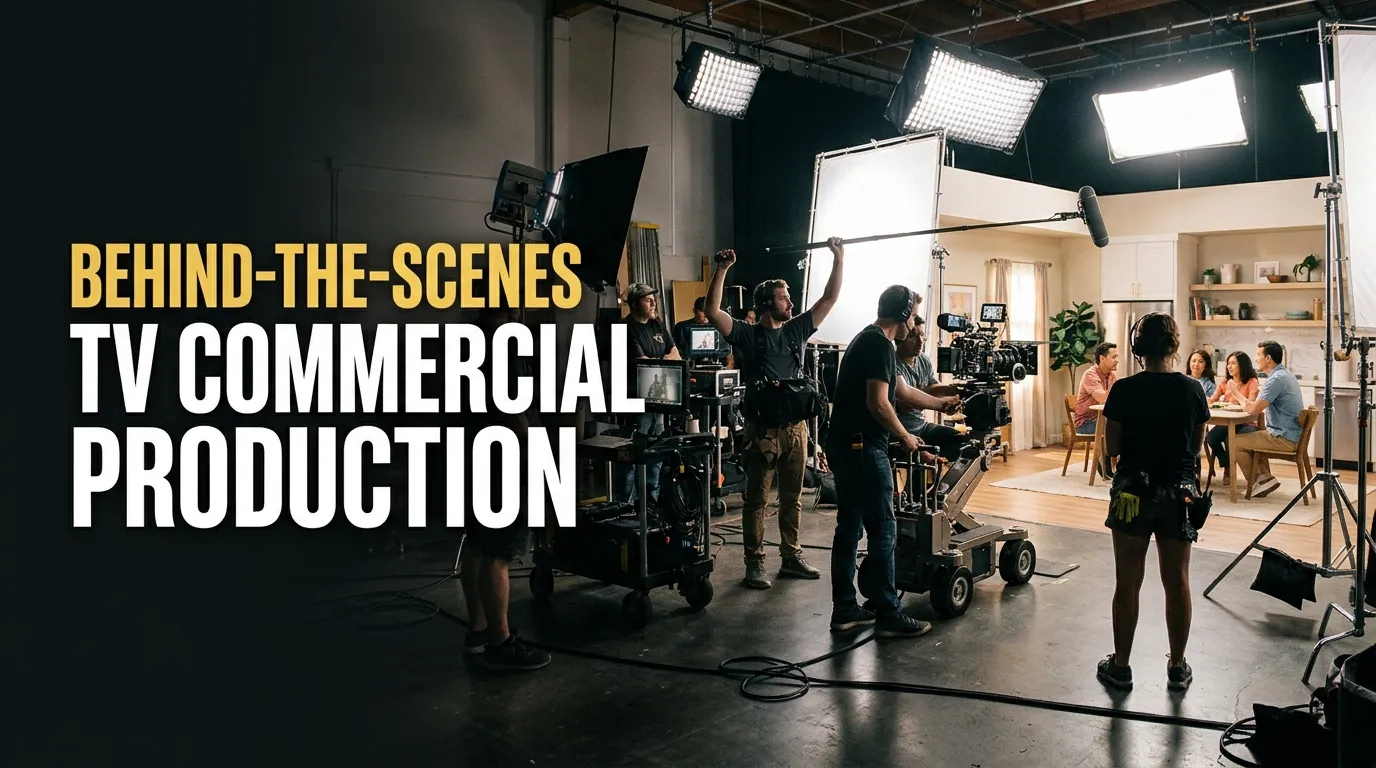 Behind-the-scenes TV commercial production provides a closer look at the planning, teamwork, and technical activities involved in creating a television advertisement. Although audiences usually see only the final commercial, a significant amount of preparation happens before the finished video reaches their screens. Pre-production meetings are often the first major behind-the-scenes activity. During these meetings, directors, producers, writers, and clients discuss the creative concept, production requirements, budget, and filming schedule. Everyone must understand the intended message before the recording process begins.
Set preparation is another important activity. Production assistants organize props, arrange furniture, prepare costumes, and ensure that the filming environment matches the storyboard. Lighting technicians test different arrangements to create the desired atmosphere, while camera operators check focus, exposure, and framing. Actors also spend time preparing for their performances. They may rehearse dialogue, practice movements, and work with directors to achieve the correct expressions and timing. Small performance adjustments can make a significant difference in the final advertisement.
During TV advertisement filming, the production crew often records additional footage beyond what is originally planned. These extra shots provide flexibility during editing and can be useful when a particular scene does not work as expected. Behind-the-scenes activities also continue during post-production. Editors review the recorded footage, organize files, synchronize audio, add visual effects, and prepare different commercial versions. The client may review the first edit and request reasonable adjustments before the final version is approved. Understanding these activities helps businesses appreciate why professional commercial production requires planning, technical knowledge, creativity, and teamwork. It also explains why successful advertisements are usually the result of collaboration rather than the work of a single individual.
Conclusion
TV advertisement filming is a detailed creative and technical process that helps businesses communicate their messages through professional television commercials. From the initial concept and scriptwriting to the actual filming and final editing, every stage contributes to the quality of the advertisement. A successful commercial requires more than attractive visuals. It needs a clear message, an understanding of the target audience, effective storytelling, suitable filming techniques, and a strong connection with the brand’s marketing objectives. Businesses that invest in professional production can create advertising content that supports brand awareness, improves product presentation, and strengthens communication with potential customers. By combining creative ideas with careful planning and professional execution, companies can produce television commercials that remain memorable and meaningful to their audiences.
FAQ
1. What is TV advertisement filming?
TV advertisement filming is the process of recording video content designed to promote a product, service, or brand through television. It involves planning, scripting, camera operation, lighting, directing, acting, and professional video recording.
2. How long does it take to produce a television commercial?
The production timeline depends on the complexity of the project. A simple commercial may take a few days to plan and film, while larger productions involving multiple locations, actors, and special effects may require several weeks. Editing and client approvals also influence the overall timeline.
3. What equipment is required for TV commercial production?
Professional commercial production commonly requires high-quality cameras, suitable lenses, lighting equipment, microphones, audio recording systems, camera stabilizers, and editing software. Additional equipment may be necessary depending on the creative concept and filming location.
4. Why should businesses choose professional TV ad production?
Professional production helps businesses achieve better visual quality, clear storytelling, and consistent brand presentation. Experienced production teams understand how to use camera techniques, lighting, sound, and editing to create advertisements that communicate effectively.
5. What are the main stages of television advertisement production?
The main stages include pre-production, production, and post-production. Pre-production involves planning and scripting, production covers the actual filming, and post-production includes editing, sound design, color correction, and final video preparation.
6. How much does TV commercial filming cost?
The cost varies depending on the production requirements, filming duration, actors, equipment, locations, crew size, and editing complexity. Businesses should discuss their objectives and budget with a production company to receive an appropriate quotation.
7. What makes a television commercial successful?
A successful television commercial has a clear message, engaging visuals, memorable storytelling, suitable sound, and a strong call to action when appropriate. It should also connect with the needs and interests of its intended audience.
8. Can television commercial footage be used on social media?
Yes. Television commercial footage can often be adapted for social media platforms, websites, and online advertising. However, the video may need different aspect ratios, shorter versions, captions, and adjustments to suit each platform.
9. How do production companies improve the quality of TV advertisements?
Production companies improve quality through professional equipment, creative direction, proper lighting, skilled camera operation, sound recording, and advanced editing. Their experience also helps ensure that the commercial communicates the intended brand message.
10. How can businesses choose the right TV ad production company?
Businesses should review a company’s previous work, industry experience, creative approach, technical capabilities, communication process, and pricing structure. Choosing a production partner that understands both advertising and storytelling can help produce a commercial that supports long-term marketing goals.