The Evolution of TV Advertising
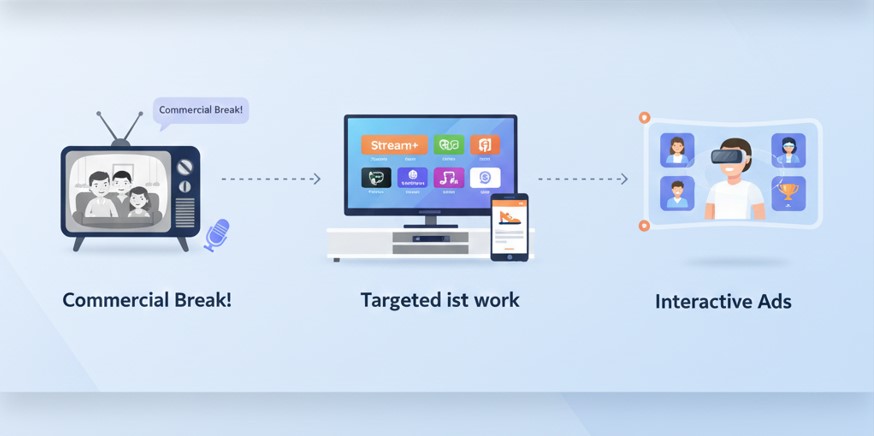
Understanding Modern TV Audience Targeting
Modern TV advertising offers a powerful blend of broad reach and precise targeting. To build an effective strategy, you need to understand the different targeting methods available today. These can be categorized into three main types: demographic, psychographic, and behavioral.
Demographic Targeting
Demographic targeting involves segmenting audiences based on observable, statistical characteristics, such as age, gender, household income, education level, and location. While basic, demographic data provides a solid foundation.
Psychographic Targeting
Psychographic targeting goes beyond who your audience is and explores why they make certain decisions. It segments audiences based on lifestyle, values, interests, and personality traits (interactive TV ads for brand engagement).
Behavioral Targeting
Behavioral targeting uses data about past actions and behaviors to predict future intent. In TV, this often involves leveraging digital data to inform television ad buys
Key psychographic attributes include:
- Lifestyle: Targeting based on hobbies and habits, such as fitness enthusiasts, frequent travelers, or homebodies.
- Values and Beliefs: Reaching audiences who prioritize certain values, like environmental sustainability, family, or social justice.
- Interests: Focusing on viewers with specific interests, like cooking, sports, technology, or fashion.
- Personality Traits: Segmenting based on traits like being adventurous, analytical, or creative.
Psychographic data allows for more nuanced and compelling campaigns. For instance, an outdoor gear company could target “adventurous thrill-seekers” who value experiences over possessions. A brand selling organic food could target “health-conscious consumers” who prioritize wellness and sustainability. This type of targeting ensures your message resonates with the audience’s core identity.
Behavioral Targeting
Behavioral targeting is arguably the most powerful method in the modern advertiser’s toolkit. It uses data about a consumer’s past actions and behaviors to predict future intent. In the context of TV, this often involves leveraging digital data to inform television ad buys.
Key behavioral attributes include:
- Purchase History: Targeting households based on what they’ve bought in the past, both online and offline. For example, a pet food brand could target households that recently purchased a new puppy.
- Website Visitation: Reaching viewers who have visited your website, a competitor’s website, or specific product pages.
- App Usage: Targeting based on the mobile apps a consumer uses.
- Brand Affinity: Identifying audiences that have shown an affinity for your brand or your competitors’ brands.
- TV Viewership Data: Using data from set-top boxes and smart TVs to understand what types of shows and genres a household watches, then targeting them across different programs.
For example, a persona for a meal kit delivery service might be “Busy Brian,” a 35-year-old marketing manager who values convenience and healthy eating but lacks the time to cook from scratch. This detailed persona makes it much easier to select the right targeting criteria for your TV campaign (building a winning e-commerce marketing strategy).
Building Your Ideal Audience Profile
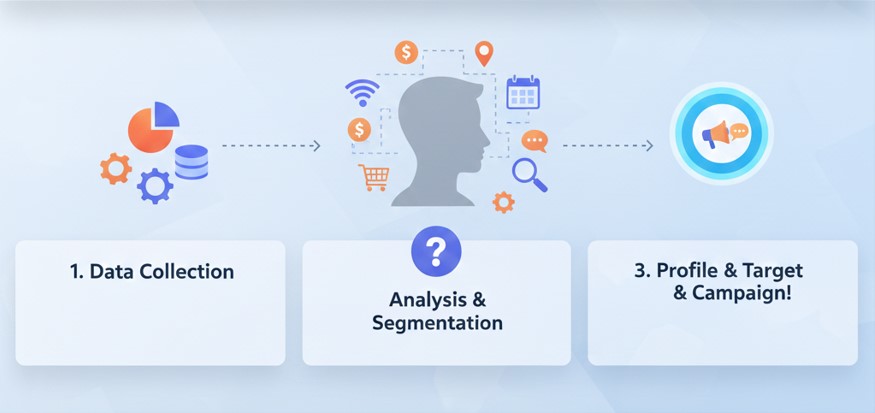
With a clear understanding of the available targeting methods, the next step is to define your ideal customer. Creating a detailed audience profile, or buyer persona, is essential for guiding your targeting strategy.
Start with Your Current Customers
Your existing customer base is a goldmine of information. Analyze your customer data to identify common traits. Look for patterns in their demographics, purchase behavior, and engagement with your brand. What are the common characteristics of your most valuable customers? This analysis will provide a data-backed foundation for your buyer persona.
Conduct Market Research
Expand your understanding by conducting broader market research. Use surveys, focus groups, and social media listening to gather insights about your target market. What are their pain points? What motivates them? What kind of media do they consume? The goal is to build a holistic picture of their lives, not just their relationship with your product.
Create Detailed Buyer Personas
Synthesize your findings into one or more buyer personas. A buyer persona is a semi-fictional representation of your ideal customer. Give them a name, a job title, and a backstory.
Your persona should include:
- Demographics: Age, income, location, family status.
- Psychographics: Hobbies, values, lifestyle, goals, challenges.
- Behavioral Traits: Shopping habits, brand loyalties, media consumption patterns.
For example, a persona for a meal kit delivery service might be “Busy Brian,” a 35-year-old marketing manager who values convenience and healthy eating but lacks the time to cook from scratch. This detailed persona makes it much easier to select the right targeting criteria for your TV campaign.
Launching and Optimizing Your Campaign

Once you have defined your target audience, it’s time to put your strategy into action. Modern TV advertising platforms, particularly in the streaming (OTT/CTV) space, offer tools to build, launch, and measure your campaigns with a high degree of control.
Select Your Targeting Criteria
Using your buyer personas as a guide, select the targeting criteria on your chosen advertising platform. Most platforms allow you to layer different data types. For example, you could target households that are:
- Geographically located in your service area.
- Within a specific income bracket.
- Have shown interest in your product category online.
- Frequently watch cooking shows.
Monitor and Measure Performance
The days of “set it and forget it” TV advertising are over. Continuously monitor your campaign’s performance. Key metrics to track include:
- Reach and Frequency: How many unique viewers saw your ad, and how many times they saw it.
- Conversion Rate: The percentage of viewers who took a desired action, such as visiting your website or making a purchase.
- Cost Per Acquisition (CPA): The cost to acquire a new customer through the campaign.
- Return on Ad Spend (ROAS): The revenue generated for every dollar spent on advertising.
A/B Test and Optimize
Use the data you collect to optimize your campaign. A/B test different elements, such as your ad creative, your call to action, and your audience segments. For example, you might find that your ad performs better with a younger demographic or that a different creative resonates more strongly. By continuously testing and refining your approach, you can steadily improve your campaign’s effectiveness and maximize your ROI.
The Future is Audience-First
The shift toward data-driven targeting has fundamentally changed television advertising (digital transformation in TV advertising). By understanding your target audience and utilizing advanced targeting tools, you can create campaigns that not only build brand awareness but also drive tangible business results (how TV advertising changed the game forever).
Integrating TV Advertising with Digital Channels
Modern advertisers recognize that television doesn’t exist in isolation—it’s part of a broader omnichannel ecosystem. By combining TV campaigns with digital touchpoints, brands can create a seamless customer journey and reinforce their messaging. For instance, pairing data-driven TV spots with retargeted social media ads or email marketing can dramatically increase conversions. Digital-first tracking allows you to see which TV creatives drove website visits, app downloads, or purchases, bridging the gap between traditional and digital performance metrics.
Omnichannel integration also allows for a richer understanding of your audience. When TV campaigns are paired with online behavioral data—like search trends, website engagement, or e-commerce activity—you can optimize placements and creative messaging in real-time. This approach transforms TV from a static, mass-marketing channel into a dynamic tool capable of measurable performance impact.
The Role of Programmatic TV Advertising
Programmatic TV advertising is revolutionizing the way brands buy airtime. Instead of purchasing blocks of ad time on networks in advance, programmatic platforms allow for automated ad buying, leveraging audience data to target the right households at the right time. This approach combines the scalability of traditional TV with the precision of digital marketing.
With programmatic, advertisers can use real-time data to make informed decisions about which ad spots to buy and when. For example, a brand promoting a fitness app could target health-conscious viewers during late-night exercise shows or morning news segments. By leveraging predictive analytics, programmatic TV ensures that ad spend is highly efficient and that impressions are delivered to viewers most likely to engage.
Creative Strategies for Targeted TV Campaigns
Even with precise targeting, the creative execution of a TV ad remains critical. Modern audiences expect storytelling that resonates with their lifestyles, values, and interests. Personalized creative can dramatically increase engagement. For example, a car manufacturer targeting eco-conscious consumers might highlight hybrid vehicle options and sustainability initiatives, while another ad targeting urban commuters emphasizes convenience and fuel efficiency.
Dynamic ad insertion is another innovation transforming TV advertising. It allows brands to customize ad content for specific households or regions, showing different offers, visuals, or messaging depending on audience behavior. This level of personalization mirrors best practices in digital marketing, where relevance and context drive higher engagement and conversions.
Frequently Asked Questions (FAQ)
How can I target my audience with TV advertising effectively?
By leveraging demographic, psychographic, and behavioral data, brands can identify their ideal viewers and use programmatic platforms or CTV/OTT networks to deliver ads directly to those households. Personalization and dynamic creative further enhance engagement.
What types of audience data are used in modern TV targeting?
Modern TV campaigns use first-party data from your customers, third-party data from research providers, and digital behavioral data such as web visits, app usage, and purchase history. These insights help you target your audience with TV advertising more precisely.
Can small businesses benefit from targeted TV campaigns?
Absolutely. Even small businesses can access programmatic TV or OTT platforms to reach specific audiences without massive budgets, allowing them to target your audience with TV advertising efficiently and see measurable digital results.
How does TV advertising integrate with digital marketing?
TV ads spark awareness, while digital channels capture engagement through retargeting, search, and social campaigns. This integration allows brands to target your audience with TV advertising while driving immediate online interactions.
What metrics should I track to measure success?
Key metrics include reach, frequency, website traffic, app downloads, conversions, ROAS, and incremental lift. Monitoring these ensures your strategy to target your audience with TV advertising is effective and measurable.
How does programmatic TV improve audience targeting?
Programmatic platforms automate ad buying and use real-time data to place ads in front of the most relevant viewers, making it easier to target your audience with TV advertising while optimizing budget and ROI.
Can personalized TV ads drive better engagement?
Yes. Personalized ads that match viewers’ interests, past behavior, or location are more likely to capture attention, increase recall, and drive digital actions—showing the value of targeted TV campaigns.
What role does predictive AI play in TV advertising?
AI analyzes data patterns to predict which households are most likely to engage with your brand, helping marketers target your audience with TV advertising proactively for maximum impact.
Are OTT and CTV platforms suitable for precise targeting?
Yes. OTT/CTV platforms provide granular audience data, interactive features, and measurement tools that allow brands to target your audience with TV advertising while tracking measurable online outcomes.
How can I ensure my TV campaign complements my digital marketing?
Align messaging, timing, and creatives across TV and digital channels. Use insights from viewer behavior and online engagement to refine your strategy, creating a unified approach to target your audience with TV advertising effectively.