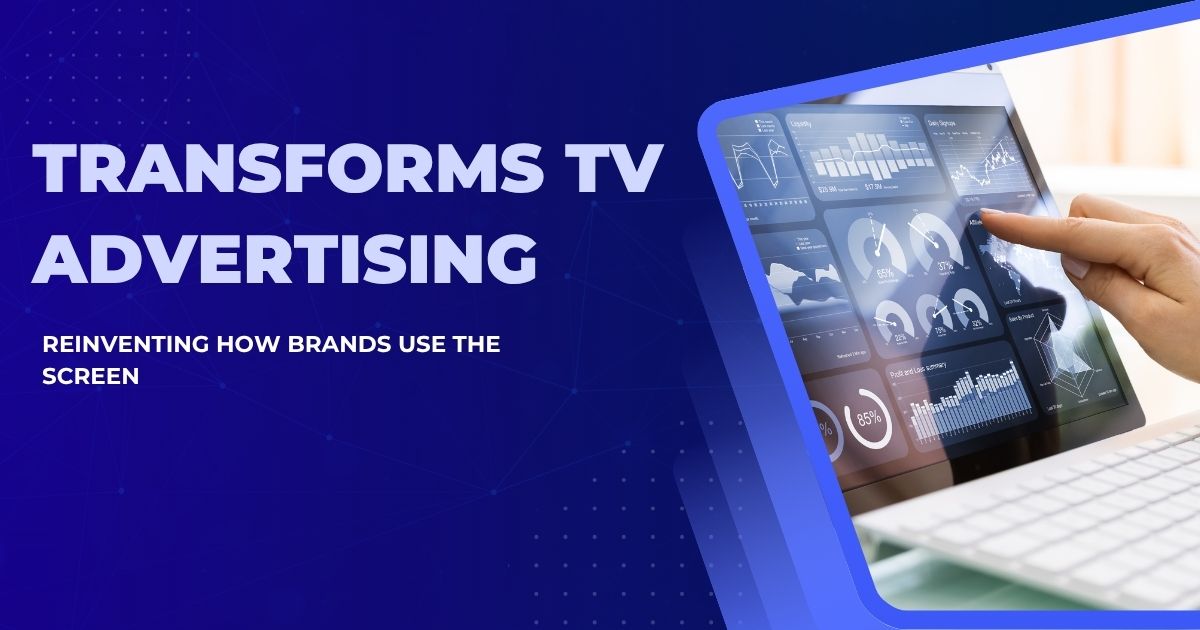
Technology transforms TV advertising by turning traditional broadcast into a precise, data-driven, and measurable medium. AI, programmatic buying, and connected TV enable personalized campaigns, real-time optimization, and emotional engagement, combining TV’s reach with digital-level targeting and performance.
Broadcast to Precision: The Evolution
It used to be that traditional television advertising was premised on a simple idea: you buy time on a network at the time your potential customers are likely to be watching and hope your message gets through. Advertisers bought big, broad demographics like “women 25-54,” with very little understanding of whether consumers were even watching their ad, let alone responding to it.
It made sense to take this approach when television was the dominant form of media consumption and there was very little else competing for people’s attention. Families huddled around shared television sets, producing predictable viewing patterns that marketers could target with a fair amount of confidence.
But in the digital age, those assumptions have been turned on their head. Today’s audiences watch content across screens, on a variety of devices, and at various times zones. They fast-forward through commercials, use ad-blocking software, and even flee to streaming services that provide an ad-free experience.
The Rise of Data-Driven Television
A fundamental shift has occurred from demographic-focused targeting to behavioral targeting because of technology. Sophisticated data analytics now let advertisers know not just the types of people who are watching TV, but how they watch, what they watch, and even when they are ready to take action.
From brand to direct, these data-driven tactics have turned television from a branding medium to a performance marketing channel that drives demonstrable business metrics. Learn more about Data-Driven Programmatic & Addressable TV Ads and how analytics optimize campaigns.
Programmatic Advertising Revolutionizes TV Buying
Technology Transforms TV Advertising by automating the buying process, replacing traditional handshakes with sophisticated algorithms. Programmatic advertising now allows brands to purchase commercial time in real-time, leveraging audience data and campaign performance to make smarter, more precise decisions.
This innovation has truly revolutionized the way television advertising is bought and sold. Technology transforms TV advertising by opening the medium to smaller brands that previously couldn’t afford traditional campaigns, allowing them to reach their ideal audience efficiently. By automatically adjusting bids on the fly, advertisers now pay fair market value while targeting viewers with unprecedented precision.
Real-Time Optimization Capabilities
The explosion of connected TV and streaming services has produced fresh advertising options while splintering traditional audiences. Platforms like Netflix, Hulu, and Amazon Prime Video provide unprecedented targeting and interaction data.
Interactive TV enables direct consumer engagement. Sophisticated systems now allow viewers to click on ads to learn more, request samples, or buy products directly. Learn about Interactive TV Ads for Brand Engagement and how they create actionable consumer experiences.
Connected TV and Streamers Reshape How We Watch
The explosion of connected TV and streaming services has created new advertising opportunities while fragmenting traditional audiences. Platforms like Netflix, Hulu, and Amazon Prime Video now provide advertisers with unprecedented levels of targeting and interaction data. Technology transforms TV advertising by combining the broad reach and impact of traditional television with the precision and analytics of digital campaigns.
Connected TV advertising allows brands to target specific households based on purchase history, device types, and viewing habits, delivering messages across the home alongside high-quality, top-grossing content. This shift demonstrates how technology transforms TV advertising, enabling more efficient, measurable, and personalized campaigns than ever before.
Advanced Targeting Capabilities
Because streaming platforms hoard the granular data that traditional TV networks never held, advertisers can target viewers by what shows they’ve watched, genres they like, or even their completion rate for watching. This enables the ads to be shown to viewers who would be most interested in the product. See how to target your audience with TV advertising for more details.
Advertisers can target viewers by what shows they’ve watched, genres they like, or even their completion rate for watching. This enables the ads to be shown in front of individuals who potentially would actually be interested in a similar product or service.
Artificial Intelligence Enhances Creative Development
Artificial intelligence has revolutionized the way advertisers create and optimize TV campaigns. Thousands of successful ads are analyzed by machine learning algorithms to determine what resonates most with viewers and drives conversions. This is a prime example of how technology transforms TV advertising, enabling brands to make data-driven creative decisions with unmatched precision.
AI-powered tools can now generate multiple ad variations, test them with focus groups, and predict which versions will perform best for specific audiences. By reducing creative lead times and optimizing results, these innovations show clearly how technology transforms TV advertising into a faster, smarter, and more effective process.
Dynamic Creative Optimization
High-level AI platforms automatically optimize the creative using live performance insights. If a message becomes resonant, the system can increase weight for emotionally evocative content in subsequent ad deliveries (i.e., viewers may respond favorably to content tugging at the heart strings instead of the head strings).
This ongoing optimization strategy also helps ensure that the creative is evolving over time to remain relevant and effective as campaigns progress.
Cross-Device Tracking and Unified Customer Journeys
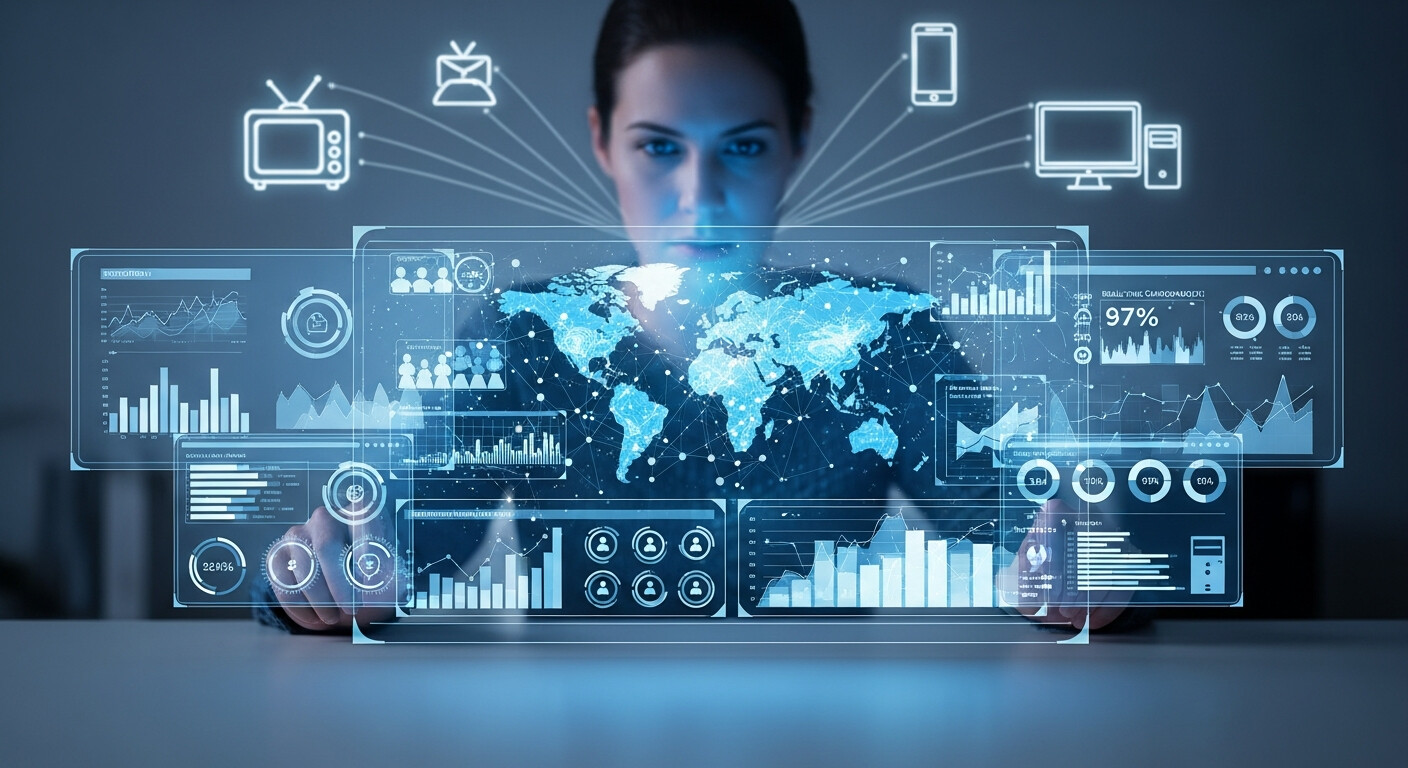
Today’s media technology allows advertisers to follow customers across devices and platforms, building detailed pictures of consumer behavior. This cross-device tracking shows you the impact that television advertising has on online research, social media, and purchase decisions.
“It’s sort of insane to say I’m going to run a television commercial without knowing if anyone goes to my website as a result,” he said. This attribution model is evidence of television’s worth beyond conventional brand-metrics awareness.
Omnichannel Campaign Integration
We see cross-device tracking as the key enabler for advertisers to develop holistic campaigns for TV, digital, and mobile. A consumer may watch a TV commercial, investigate the product on their smartphone, and make the purchase on their laptop.
This omnichannel strategy provides uniform messaging across touchpoints, yet tailors each touchpoint in a way that best resonates. TV advertising is one dimension of an integrated approach, not a media buy.
Advanced Analytics Transform Measurement
Legacy TV measurement was based on small sample sizes and delayed reporting. Nielsen ratings gave demographic approximations days or weeks after the ads ran, so optimization was not possible.
Contemporary analytics systems provide real-time measurement, tracking things from view numbers to engagement rates. Advertisers can track the performance of a campaign on a day-to-day basis and tweak elements before ineffective ads have eaten away at the budget.
Granular Performance Metrics
State-of-the-art measurement technology now allows researchers to gain deeper insights into viewer behavior that were previously inaccessible to them. Advertisers can measure rates of attention, percentages of long-form ad completions, and even emotional response to creative.
This is the type of granular data that powers scientific methods of optimizing television advertising. Advertisers can discover what creative characteristics are driving results and apply learnings to succeed in future campaigns.
Interactive Television Enables Direct Response
Interactive TV has revolutionized viewing from passive experiences into actionable experiences that motivate immediate consumer involvement. Viewers can click on ads to learn more, request samples, or buy without taking off their TV slippers.
This interactivity has made television advertising a direct response channel like digital advertising. Ad buyers can determine the direct conversion of why someone is or is not buying something and track Perfect ROI for television sessions.
Shoppable TV Experiences
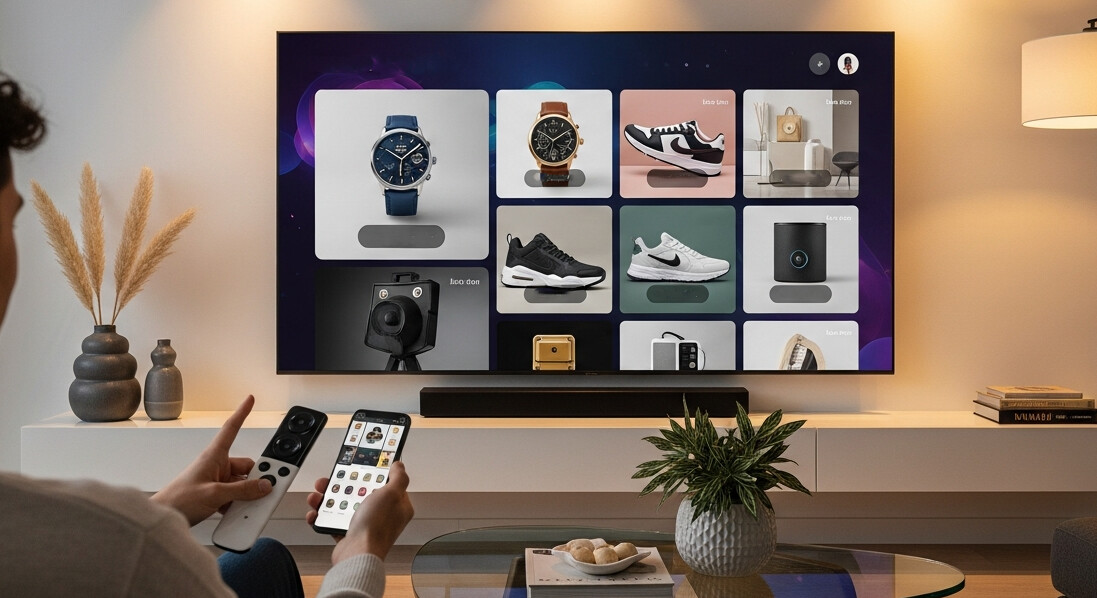
Sophisticated interactive systems now make it possible for people to buy products from a television commercial. QR codes, voice-activation, and remote control engagement provide frictionless shopping experiences while leveraging the emotional power of the TV medium.
These shoppable experiences bring the world of television advertising together with e-commerce in one place, generating new monetization channels for both advertisers and providers of content.
Personalization at Scale Through Technology
Personalized TV advertising at a completely new scale with machine learning and Algo-IP. These systems may distribute diverse advertisements to diverse homes that view the same program, so that each viewer is presented with relevant content.
Personalization goes further than demographics and includes behavioral patterns, purchase history, and even real-time context. A market with cold weather might display ads for winter coats, while a warm weather market would see an ad for swimwear.
Household-Level Targeting
Sophisticated targeting tech can target individual households and serve ads tailored to the composition of each of them. This precision matches and even exceeds digital advertising but retains the high reach and emotional resonance of television.
Applications: Household-level targeting enables advertisers to precisely reach the desired prospects instead of paying for wasted exposure.
Voice Control and Smart TV Compatibility
Voice-enabled smart TVs have introduced innovative advertising experiences that merge traditional programming with interactive content. Viewers can use voice commands to access product information, request details, or even make purchases directly from their TV. This evolution demonstrates how technology transforms TV advertising, turning the medium from a one-way broadcast into a two-way, interactive conversation. Advertisers can engage audiences instantly, driving meaningful business results while enhancing the viewing experience.
Smart TV App Ecosystems
Modern smart TV ecosystems support sophisticated advertising strategies beyond traditional commercial breaks. Brands can develop apps, sponsor content, or integrate products organically into programming. These capabilities highlight how technology transforms TV advertising, offering deeper engagement opportunities and new revenue streams that were impossible with traditional broadcast methods. By leveraging these ecosystems, advertisers can connect with viewers more personally and creatively than ever before.
The Technology of Television Advertising in the Future
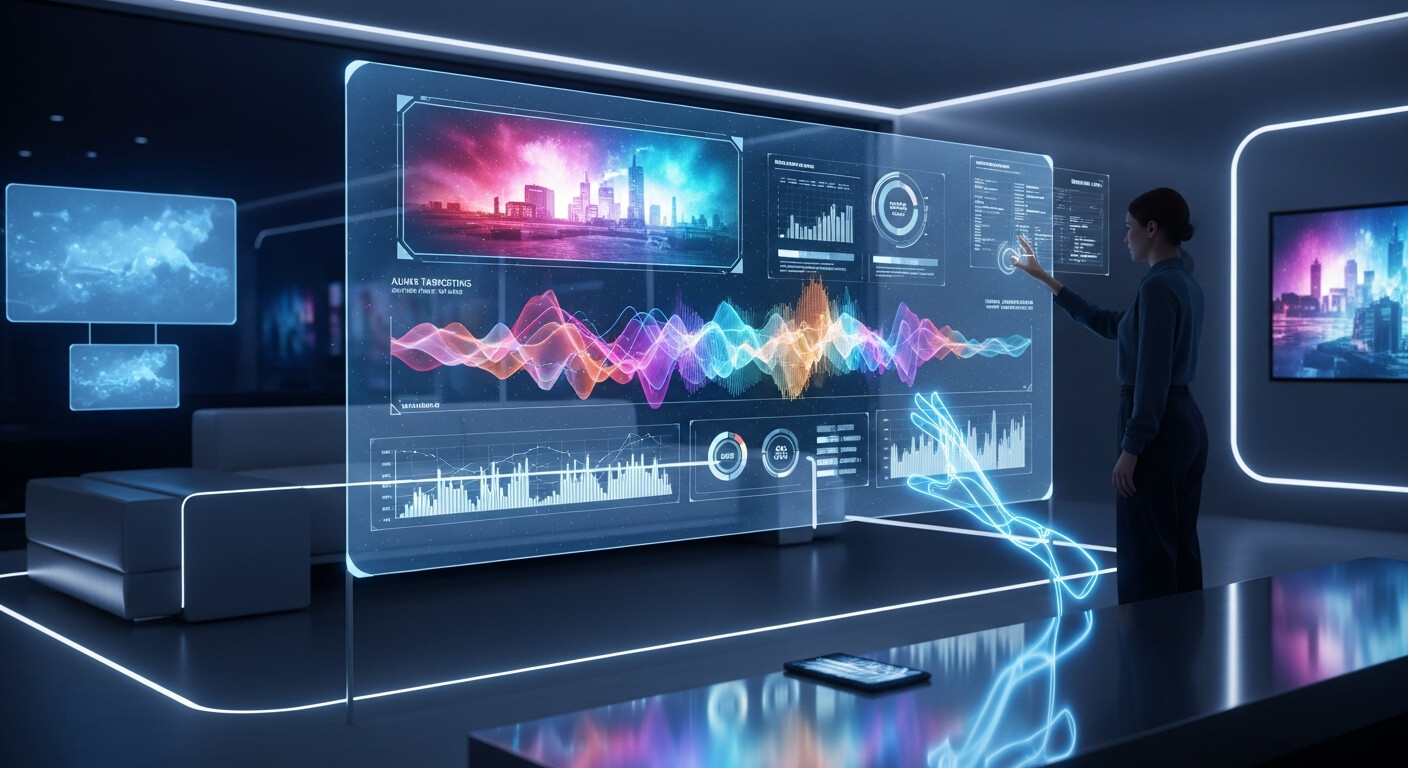
The potential for TV advertising continues to be shaped by new technologies. VR, AR, and 5G will result in a new level of immersion in advertising, going beyond what’s possible today.
Blockchain and advertising: The ability to combat fraud and achieve greater transparency in TV advertising transactions. They could use smart contracts for executing those campaigns, to automate the process and get correct measurements and payments.
Preparing for Continued Evolution
Canny advertisers know that the pace of technological change will only speed up. Effective TV advertising plans must be continual, flexible and responsive to new technologies.
The brands that succeed will be those that also innovate technologically and stay focused on delivering meaningful, relevant experiences for their audiences.
Getting the Most from Technology in Your TV Strategy

Technology has changed the face of television advertising from a mass-reach, brand awareness vehicle to a precision marketing device that can be measured in digital terms. But the most successful advertisers leverage these advancements while still keeping true to the unique strengths of television.
Begin by assessing your current TV advertising campaign and see how you can integrate data-targeted, programmatic buying, and advanced measurement. Collaborate with tech suppliers who grasp traditional TV as well as digital innovation.
Technology should augment, not replace, the tried-and-true foundations of advertising, but always remember the underpinning human element. Quality creative content, strong messaging, and an authentic brand connection are still fundamentally important to success in TV advertising.
The future belongs to those advertisers who can successfully combine the emotional reach of television with the precision and accountability of digital advertising. Using these technology enhancements, brands are able to build TV commercials on TV commercials with one commercial both adding to awareness and delivering performance.
The integration of digital technologies has reshaped traditional TV advertising, making it more measurable and targeted. For businesses looking to apply similar precision in their outreach strategies, particularly in B2B environments, explore our article on How to Align ABM and Marketing Automation for Maximum ROI. It offers insights into how data and automation can enhance personalization and performance—just like digital tools have revolutionized television campaigns.
Frequently Asked Questions (FAQ)
What does “Technology Transforms TV Advertising” mean?
It refers to how advancements in data analytics, AI, programmatic buying, and connected TV platforms are reshaping traditional television advertising into a precise, measurable, and personalized medium.
How does technology improve targeting in TV advertising?
Technology allows advertisers to move beyond broad demographics, using behavioral data, viewing habits, and household-level insights to deliver ads that are highly relevant to each viewer.
Can small businesses benefit from these technological advancements?
Absolutely. Programmatic buying, connected TV, and AI-driven insights make it possible for smaller brands to run highly targeted campaigns without the enormous budgets previously required for traditional TV advertising.
What role does AI play in TV advertising today?
AI helps optimize creative, predict viewer behavior, and dynamically adjust campaigns in real-time, improving efficiency and ROI.
Is measuring emotional engagement on TV possible?
Yes. Advanced tools like biometric tracking and emotion analytics enable advertisers to understand how viewers emotionally respond to content, helping refine messaging and creative strategy.
How will TV advertising evolve in the future?
Expect more interactive and immersive campaigns using AR, VR, and shoppable TV experiences. Technology transforms TV advertising by turning passive viewers into active participants in the brand story.