Television advertising is expensive, with high production and airtime costs, while internet ads offer precise targeting, measurable results, and lower overall expenses. Digital campaigns allow real-time optimization, making them ideal for smaller budgets and lead generation. For most businesses, Internet Ads Cheaper Than Television provides a cost-effective way to reach the right audience efficiently.
Production Costs for TV Commercials

Producing a television commercial is notoriously expensive. A professionally made 30-second ad can cost anywhere from $50,000 to $500,000, depending on the complexity of the creative, talent requirements, and production quality. High-end commercials featuring celebrities or elaborate sets can even exceed $1 million in production costs alone. These expenses cover script development, casting, shooting, editing, sound, and post-production. Unlike digital ads, which can be created and adjusted quickly, television commercials demand meticulous planning and professional production to meet broadcast standards—one of the reasons many businesses find Internet Ads Cheaper Than Television a more attractive option.
Airtime Purchase Costs
Airtime fees are often the largest expense in TV advertising. Prime-time spots on major networks can range from $100,000 to $500,000 for just a 30-second commercial. Events like the Super Bowl can push a single 30-second ad past $7 million. Local television advertising is somewhat more affordable, ranging from $200 to $2,000 per spot depending on market size and timing. Still, even regional campaigns usually require significant budgets to achieve meaningful reach and frequency. For businesses seeking cost-effective marketing, it’s clear why Internet Ads Cheaper Than Television are becoming a preferred choice.
Hidden Television Advertising Expenses
Beyond production and airtime, TV campaigns come with hidden costs. Agency fees often account for 10%-15% of total media spend, and additional expenses can include production insurance, talent residuals, and music licensing fees. Many businesses find how to analyze a television advertisement like a pro useful to ensure campaigns deliver ROI.
Internet Advertising Cost Structure

Pay-Per-Click and Performance-Based Pricing
The most typical price model for internet advertising platforms is performance-based pricing. With Google Ads, the advertiser only pays when someone clicks on their ad, with costs anywhere between $1 to $10 on average per click depending on industry and competition. This pay-for-performance model means advertisers will only be charged for engagements that actually occur.
Such performance-based costing is also possible using social media platforms like Facebook, Instagram, with an average cost per click between $0.50 and to $3.00. These platforms also introduce cost-per-impression options, which enable advertisers to pay based on how many people see the ads.
Content Creation Costs
Digital ads are much cheaper to make than TV adverts. A basic display ad can cost less than $1,000, while social media video production ranges from $5,000 to $25,000. Many businesses leverage in-house tools like Canva or Adobe Creative Suite for professional-quality content without massive budgets. For creative guidance, see create television ad that captivates.
Lots of businesses will create a killer (or terrible) digital ad with an in-house or freelance designer. With tools like Canva, Adobe Creative Suite and a number of video editors, the creation of ads has been democratized, giving the ability to create professional-quality ads to advertisers with smaller budgets.
Campaign Management and Optimization
Internet marketing needs constant management & tweaking to see the’s best result out of it. And with that, is an additional expense (one that’s infinitely cheaper than television advertising management fees). For digital campaigns, it is often possible to manage in house, or businesses can use a specialized agency for 10% to 20% of ad spend.
The fact that you get to make decisions on a real time basis and make optimizations constantly result in campaign performance always evolving, in many occasions improving over time and management costs becoming an investment rather than an extra cost.
Reach and Targeting Efficiency

Television’s Broad Reach Advantages
Television advertising is great at creating a broad general awareness of a brand in a short amount of time. A single prime-time commercial can deliver a message to millions of people at the same time, producing instant market penetration. Such broad reach is useful for products such as consumer goods.
But what is perhaps a strength of television–its sheer reach–can prove a liability when it comes to reaching targeted groups. Advertisers pay for each viewer of their ad — even viewers that are not potential customers. This is inefficient and it inflates the cost per qualified lead.
Internet’s Precision Targeting
Internet ad platforms provide precision targeting on a level once unimaginable. Advertisers are able to direct ads at users using categories like demographics, interests, behaviors, and now location and even how a user interacted with a website moments before. This from-the-title premium targeting makes advertising much more effective.
Online ad platforms offer advanced targeting by demographics, interests, behaviors, and more. Platforms like Google Ads and Facebook allow advertisers to reach users who are actively searching or likely to convert. For deeper insights, see how television advertising boosts online brand awareness.
With Facebook’s advertising platform, one can base the target on Interests, life events, and even on purchase behaviors. Google Ads provides targeting through search intent, which means the ads are displayed to searchers who are proactively searching for your products or services. This one-to-one targeting is commonly more successful than mass-reaching TV ads.
Cost Per Qualified Lead Analysis
When comparing the cost per qualified lead, internet advertising often outperforms television. While a TV campaign might cost $20 to $50 per thousand impressions, online campaigns can generate qualified leads for $10 to $100, depending on the industry and targeting strategy.
The ability to precisely reach potential customers reduces wasted impressions and increases conversion rates. Combined with the lower production and airtime expenses, this efficiency demonstrates why Internet Ads Cheaper Than Television is not just about lower upfront costs—it’s also about maximizing value per advertising dollar.
Measuring Return on Investment
Television ROI Measurement Challenges
Historically, it’s been hard to measure television advertising ROI. What’s more, traditional metrics such as reach, frequency and brand recall don’t necessarily relate directly to sales performance. Few things are less clear however than whether TV advertising works ” that’s down to near-impossibility when it comes to making it work.
While new progress in attribution modeling and cross-device tracking are making ROI measurement for television much more precise than it ever has been, it’s still a less accurate science than digital advertising stats. There are hundreds of television campaigns that do not work because the advertisers still cannot tell what works and what does not — it’s a waste of money!
Internet Advertising Analytics Advantages
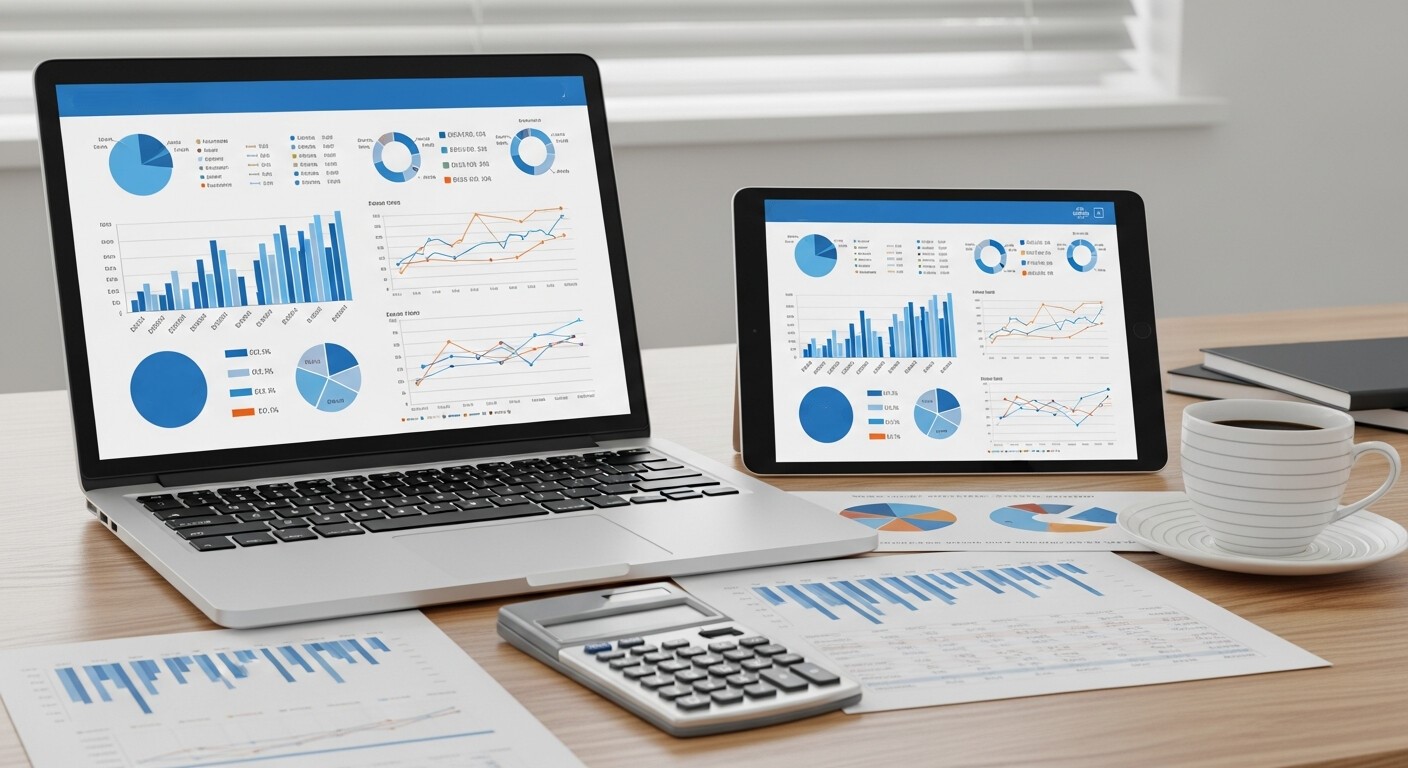
Internet advertising offers reporting that allows detailed ROI measurement. An advertiser can then measure every click, every action and every conversion, to determine the success of the campaign. It’s this level of data transparency that will enable ongoing optimization and greater efficiency as the method adapts.
Google Analytics, Facebook Business Manager, and other platforms offer reporting on ad performance, audience activity, and conversion journeys. Through this granular tracking, advertisers are able to attribute value to their highest performing campaigns and spend accordingly.
Long-Term Brand Building Considerations
TV advertising can sometimes bring in a long term brand building effect that is often harder to measure right in the short term. The brand recognition, opinions, and trust built from a television campaign can carry forward and affect purchasing decisions weeks, months or even years later.
Online advertising is generally impatient for instant, trackable success. This gives good visibility on the ROI but may not reflect the complete longer-term value of brand building efforts. And successful advertising typically interweaves the two to deliver immediate sales increases and grow long term brand value.
Industry-Specific Cost Considerations
E-commerce and Direct-to-Consumer Brands
For e-commerce and direct-to-consumer businesses, operating online is often far more cost-efficient than investing in television campaigns. Digital advertising allows brands to track a customer’s journey from the first ad exposure to final purchase, providing measurable ROI that TV cannot match. This level of control and efficiency makes it clear why many businesses consider Internet Ads Cheaper Than Television while delivering better results.
Digital campaigns also enable remarketing to site visitors, boosting conversion rates and overall campaign efficiency. Unlike television commercials, which cannot follow a customer’s journey or adjust in real time, online ads give e-commerce businesses the flexibility to convert interest into sales almost immediately.
Local Service Businesses
Local service providers typically achieve far better results with internet advertising than costly television ads. Platforms like Google Ads and Facebook allow precise geographic targeting, enabling businesses to reach the right audience in their city or neighborhood without excessive spending.
The immediacy of online advertising also benefits local businesses. Customers can call, click, or request a quote directly after viewing an ad, leading to fast conversions and tangible results. For many small and local businesses, this proves why Internet Ads Cheaper Than Television is not just about saving money but also about achieving measurable, actionable outcomes.
Large Consumer Brands
Even large consumer brands are increasingly shifting their focus to digital advertising. While television can help maintain broad brand visibility, most big brands now allocate a larger share of their budget to internet campaigns because they are more targeted and measurable.
Segmenting audiences by demographics, interests, and behaviors allows companies to deliver messages that resonate with specific groups, improving overall campaign effectiveness. This demonstrates that, even for major players, Internet Ads Cheaper Than Television can provide higher precision, better ROI, and more actionable insights than relying solely on traditional TV advertising.
Choosing The Best For Your Business
Budget and Resource Considerations
Internet advertising is generally more cost-effective for smaller businesses with limited advertising budgets. Thanks to lower barriers to entry and performance-based pricing models, digital campaigns allow even small companies to reach their target audience without the massive expenses associated with television. This is one of the main reasons many businesses recognize that Internet Ads Cheaper Than Television offer a practical solution for maximizing ROI.
Larger companies with substantial marketing budgets can benefit from a combined approach—using television to build broad brand awareness while leveraging internet advertising to convert a highly targeted and engaged audience. By strategically balancing the two, businesses can achieve both reach and efficiency without overspending.
Audience and Geographic Factors
Understanding where your audience consumes content is critical. Younger demographics increasingly prefer online channels, making internet advertising more effective for reaching them. Older audiences may still respond well to TV commercials, but targeting efficiency is far lower.
Geographic targeting is another area where digital campaigns excel. While national TV ads require substantial budgets to cover an entire country, online platforms allow precise targeting down to cities, neighborhoods, or even individual streets. This precision contributes to the growing realization among marketers that Internet Ads Cheaper Than Television can deliver superior results, especially when every advertising dollar counts.
Campaign Objectives and Timeline
The effectiveness of any advertising medium depends heavily on your campaign objectives. Television is ideal for broad brand awareness, reaching millions of viewers simultaneously and building long-term recognition. However, campaigns that focus on lead generation, sales conversions, or specific audience engagement are better suited to internet advertising, which provides precise targeting, measurable outcomes, and real-time performance tracking.
For campaigns that are time-sensitive, digital advertising clearly stands out. Internet campaigns can be launched instantly and adjusted throughout the day to optimize results, while TV commercials require long production timelines and cannot be modified once aired. This combination of flexibility, targeting precision, and cost efficiency explains why so many businesses realize that Internet Ads Cheaper Than Television not only save money but also deliver faster, more measurable results.
Maximizing Your Advertising Investment
As to whether online advertising is cheaper than TV ads, as is always the butt of the answer to many questions in marketing: it depends 🙂 For most business reasons, internet advertising is more cost effective, can be more targeted and is more measurable.
But the best ads are usually a combination of the two. TV builds brand with a wide-brush And Internet enables targeted conversion and immediate results. The integrated method ensures that the two media are exploited to their full capacities, while their weaknesses can be compensated by both.
Think about budget, audience, objectives and your need to measure success when making your decision. The lower-cost option isn’t always the cheaper option if it doesn’t provide the results your business requires.
Begin with an extended series of small test campaigns on both platforms to collect performance data unique to your business. This is the evidence-based perspective that will allow you to make smart choices when it comes to your advertising dollars and actually which channel delivers a higher quality opportunity for your marketing objectives.
Comparing the cost of internet ads and television helps businesses allocate their budgets wisely, while improving online reputation management ensures that every advertising dollar supports a trustworthy brand image
Frequently Asked Questions (FAQ)
Are internet ads always cheaper than TV ads?
Not always, but in most cases, especially for small to medium businesses, Internet Ads Cheaper Than Television due to lower production costs, flexible pricing models, and precise targeting.
Can digital ads reach as many people as TV commercials?
Digital ads can reach millions, but their strength lies in precision targeting rather than sheer scale. While TV may deliver broad awareness, online ads often provide better value, which is why many marketers ask, Are Internet Ads Cheaper Than Television
Do TV ads provide better brand recognition than digital ads?
TV can help with long-term brand recognition due to broad exposure. However, digital ads complement this by engaging audiences, driving conversions, and providing measurable ROI.
Is ROI easier to measure online or on TV?
ROI is significantly easier to measure online. Every click, view, and conversion can be tracked, while TV relies on estimates and indirect metrics.
Should businesses abandon TV completely?
Not necessarily. TV is valuable for mass awareness campaigns. But combining TV with digital advertising ensures both brand visibility and targeted conversion, optimizing overall marketing efficiency.