The Legacy of the First Toy Advertised on Television
The success of Mr. Potato Head as the first toy advertised on television set a precedent that rippled across the entire toy industry. Manufacturers began to recognize that television wasn’t just a way to showcase products—it was a way to shape cultural trends. Ads for other toys quickly followed, introducing children to new play patterns, characters, and worlds that extended far beyond the store shelves.
This shift fundamentally changed how toys were marketed, transforming commercials into mini storytelling experiences that sparked imagination and desire. The campaign demonstrated the immense potential of visual media to capture attention, create brand recognition, and drive sales in ways that print or radio could not.
The Historical Context of Early Television Advertising

Before we reveal the toy in question, let’s set the stage. The year was 1952, and television was quickly becoming a centerpiece in American households. Post-war economic prosperity enabled the rise of consumerism, and families were more eager than ever to indulge in small luxuries, including entertainment and toys for their kids.
By the early 1950s, television was no longer just a novelty; it had become a powerful medium, capturing the eyes of millions of Americans who tuned in to watch everything from live dramas to family sitcoms. For industries looking to catch the attention of this growing audience, the television set wasn’t just furniture; it was a direct line to the American home.
Enter Hasbro (then known as Hassenfeld Brothers), a toy company searching for ways to stand out in a burgeoning market. They saw TV as an untapped resource, thus creating the perfect opportunity to make history with the launch of their innovative product, Mr. Potato Head.
The First Toy Advertised on Television: Mr. Potato Head
Yes, that’s correct! The first-ever toy advertised on television was none other than Mr. Potato Head, a product that continues to endure through generations. Created by George Lerner and manufactured by Hassenfeld Brothers (later Hasbro), this iconic toy took its first steps onto the advertising scene on April 30, 1952.
What made this toy so novel wasn’t just its design, but its concept. Mr. Potato Head wasn’t a single, molded figure like many of today’s toys. Instead, it was a set of plug-in facial and body parts that you could use to transform an actual potato or other fruits and vegetables into a “character.” This invoke-your-creativity approach was groundbreaking at the time, and it also gave families an affordable toy option that sparked endless imaginative play.
But why advertise Mr. Potato Head on TV? Quite simply, it was a perfect fit for the emerging medium. Television allowed Hasbro to visually show just how fun and interactive this toy could be, appealing to children and parents alike. For insights on creating compelling campaigns, see how to create a television ad that captivates.
How the Commercial Revolutionized Toy Advertising
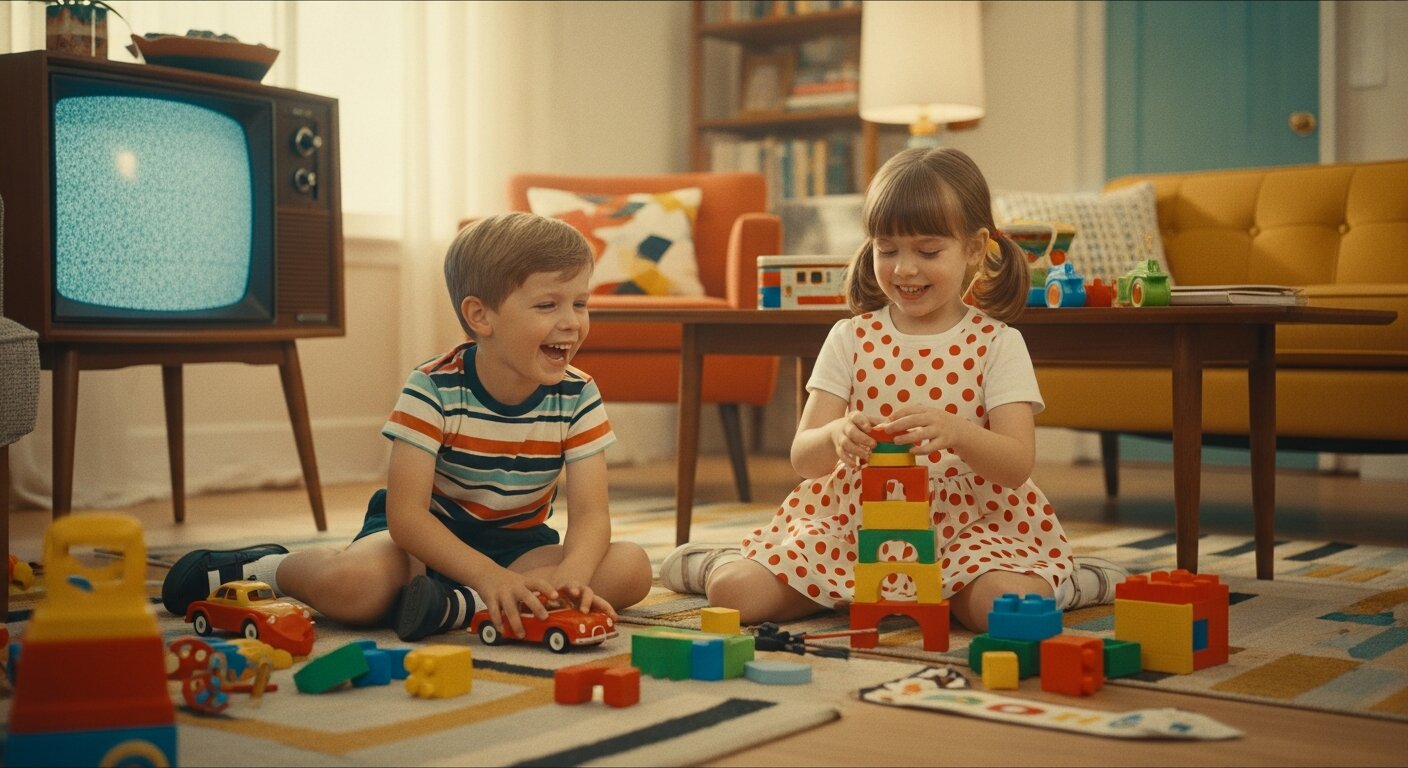
The TV commercial for Mr. Potato Head was a groundbreaking moment in advertising history, fundamentally shifting how toys were marketed. Unlike previous campaigns that primarily targeted parents as the decision-makers, this ad spoke directly to children, recognizing them as an influential audience with the power to shape household purchasing decisions. The commercial employed engaging visuals, playful demonstrations, and lively animations to show exactly how the toy worked, making the experience entertaining and easy to understand. In addition, the use of catchy jingles and memorable slogans helped embed the product in children’s minds, creating excitement and anticipation for playtime. This approach not only captured attention in a crowded media landscape but also established a new standard for creativity and audience engagement in toy marketing, influencing countless campaigns in the decades that followed. For a deeper understanding of ad production and engagement, see how to advertise a product on television: a complete guide.
Here’s a brief rundown of what made the ad revolutionary:
- Engaging Visuals: Colorful imagery and on-screen demonstrations made the toy come alive in ways print ads couldn’t replicate.
- Direct Appeal to Kids: For the first time, children were addressed as consumers with decision-making power, and the ad invited them to ask their parents to buy the toy.
- Jingles and Catchphrases: The commercial introduced memorable jingles and slogans designed to stick in kids’ heads long after the TV was turned off.
This trailblazing campaign proved to be immensely successful. Within the first few months of airing, Hasbro sold over one million units of Mr. Potato Head. The toy’s popularity not only made history by taking over toy boxes across America but also solidified television as a critical platform for marketing consumer goods.
Mr. Potato Head’s Role in Shaping Modern Marketing
Mr. Potato Head’s introduction to the television advertising world had far-reaching effects that went well beyond the immediate success of the toy itself. It set a precedent for how products, especially toys, could be marketed directly to children while simultaneously influencing family purchasing decisions. This pioneering campaign helped establish a new framework for modern advertising, demonstrating the power of creativity, targeted messaging, and the strategic use of emerging media platforms—principles that continue to guide marketers across industries today.
Targeting Children as a Primary Audience
By appealing directly to children, the Mr. Potato Head campaign fundamentally changed marketing strategies for consumer products. Before this, most advertising had been aimed at adults, even when the product was intended for kids. The campaign revealed the influence children could exert over household decisions, a phenomenon now commonly known as “pester power.” This insight transformed the toy industry and set a model for brands seeking to engage young audiences, encouraging marketers to develop content that is playful, imaginative, and emotionally engaging. Today, child-focused campaigns across toys, games, and entertainment still rely heavily on these principles, demonstrating the long-lasting impact of Mr. Potato Head’s approach.
Using Television for Demonstration
Mr. Potato Head was also a trailblazer in showing how television could be used to demonstrate products in action. Unlike print ads or static displays, the commercial allowed viewers to see how the toy worked, how parts could be interchanged, and how children could interact with it creatively. This visual storytelling approach created an immersive experience that captured attention and sparked imagination. Modern marketers continue to rely on video demonstrations, product tutorials, and interactive content because of the early lessons learned from campaigns like Mr. Potato Head’s, which proved that showing a product in use can dramatically increase engagement and sales. See how to analyze a television advertisement like a pro for guidance on ad evaluation.
Brand Longevity
The enduring success of Mr. Potato Head illustrates how strong marketing, combined with an innovative product, can create lasting brand equity. From its early days as the first toy advertised on television to its continued presence in pop culture—most notably in the Toy Story film franchise—the brand has consistently evolved to stay relevant. Changes over the years, including eco-friendly materials, inclusive designs, and interactive play options, show how a product can adapt while retaining its core identity. Mr. Potato Head’s longevity offers valuable lessons in maintaining brand relevance and leveraging media effectively, reinforcing the idea that strategic marketing paired with innovation can sustain a product’s appeal for generations.
Fun Facts About Mr. Potato Head
To make your coffee table debates about toys more interesting, here are some fun facts:
- Mr. Potato Head was initially sold without a plastic potato body; children were expected to use real vegetables! It wasn’t until 1964 that Hasbro introduced a plastic body.
- Mr. Potato Head holds a place in marketing history as the first toy to have its TV commercial.
- Thanks to its enormous popularity, Mr. Potato Head was inducted into the National Toy Hall of Fame in 2000.
Lessons for Modern Marketers

Mr. Potato Head’s story serves as an important case study for companies and marketers even today. Here are a few takeaways:
- Understand Your Audience: Hasbro honed in on young children as emerging “consumers” and reached them in a way no one had done before.
- Leverage the Right Medium: Identifying television as the ideal platform for demonstrating their toy helped Hasbro make a memorable connection with their audience.
- Think Beyond the Product: By creating an entertaining, multi-sensory TV ad, Hasbro tapped into the emotional appeal of play and imagination, cementing a legacy that would last decades.
The Evolution from Television to Digital Marketing
While television first introduced the concept of visually engaging children with playful and interactive content, the rise of digital platforms has dramatically expanded the ways brands can connect with young audiences. Today, toys are promoted through a variety of immersive experiences, including interactive videos, unboxing demonstrations, influencer-led reviews, gamified apps, and augmented reality features that allow kids to interact with products virtually. Despite these new channels, the foundational lessons learned from the first toy advertised on television—capturing attention, demonstrating product use, and appealing directly to children—still guide modern marketing strategies. Successful brands now combine television, online video content, social media campaigns, and digital advertising to create cohesive omnichannel experiences. This integration ensures that children and parents encounter consistent messaging across multiple touchpoints, driving engagement, brand loyalty, and meaningful connections in ways that television alone could never achieve.
Where Mr. Potato Head Stands Today
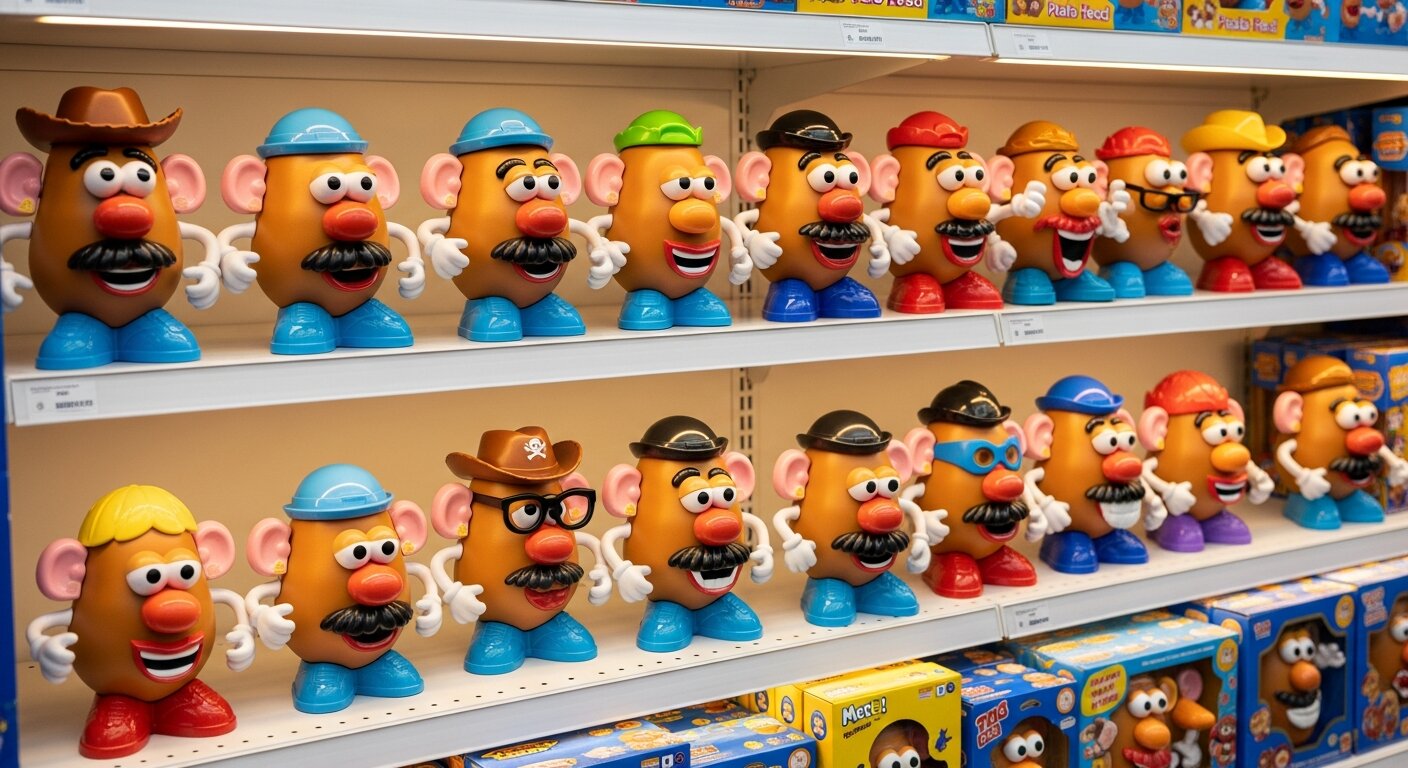
While the concept of toys has evolved tremendously since 1952—with gadgets, apps, and VR entering the picture—Mr. Potato Head remains a cultural and commercial icon. Modern versions of the toy are made with eco-friendly materials, demonstrate inclusivity, and even feature customizable designs to resonate with today’s generation.
Understanding the history of advertising, such as the first toy ever promoted on television, offers valuable context for how consumer perceptions are shaped—an insight that’s directly relevant when considering the importance of strategic product positioning in modern marketing.”
Frequently Asked Questions (FAQ)
What was the first toy advertised on television?
The first toy advertised on television was Mr. Potato Head, launched by Hasbro in 1952. This marked a turning point in advertising, directly targeting children and showcasing the toy in action.
Why was Mr. Potato Head significant in TV advertising?
Mr. Potato Head was the first toy advertised on television to appeal directly to children, demonstrating the product in a creative and interactive way. It proved TV’s effectiveness as a marketing tool and influenced how toys were promoted for decades.
How did advertising the first toy on television influence other products?
The success of the first toy advertised on television encouraged other toy companies to adopt visual storytelling, target children directly, and use TV to demonstrate play possibilities, setting industry standards for marketing strategies.
Are there modern examples of toys advertised on television using the same strategies?
Yes, brands like LEGO, Barbie, and Hot Wheels continue to use TV ads and online videos to demonstrate play, tell stories, and engage children. They build on the principles first introduced by Mr. Potato Head’s campaign.
Did the first toy advertised on television only target kids?
While children were the primary audience, the commercials also indirectly influenced parents to purchase the toy, creating the concept of “pester power,” where kids drive buying decisions—a strategy still widely used today.
How did the cost of advertising Mr. Potato Head compare to today’s toy campaigns?
In 1952, the cost was modest by today’s standards, but the principle remains: the first toy advertised on television showed that strategic media spend could dramatically boost product sales, a lesson still applied in modern marketing budgets.
How did the first toy advertised on television change marketing for children’s products?
The first toy advertised on television demonstrated the power of targeting children directly. It showed marketers that kids could influence household purchases, leading to a new focus on child-centric campaigns for toys and games.
What made the first toy advertised on television so memorable?
Its creativity, interactivity, and direct appeal to children made the first toy advertised on television unforgettable. The commercial showcased imaginative play, catchy jingles, and clear demonstrations, setting a standard for future toy advertising.
Can learning from the first toy advertised on television help modern marketers?
Absolutely. Studying the first toy advertised on television helps marketers understand the importance of audience targeting, visual storytelling, and engaging demonstrations—principles still crucial in today’s toy campaigns across TV and digital platforms.
Why is Mr. Potato Head considered iconic in the history of toy advertising?
Mr. Potato Head was the first toy advertised on television, making it a trailblazer in marketing. Its success illustrated how TV could drive product demand, create brand loyalty, and revolutionize how toys were promoted for generations.